





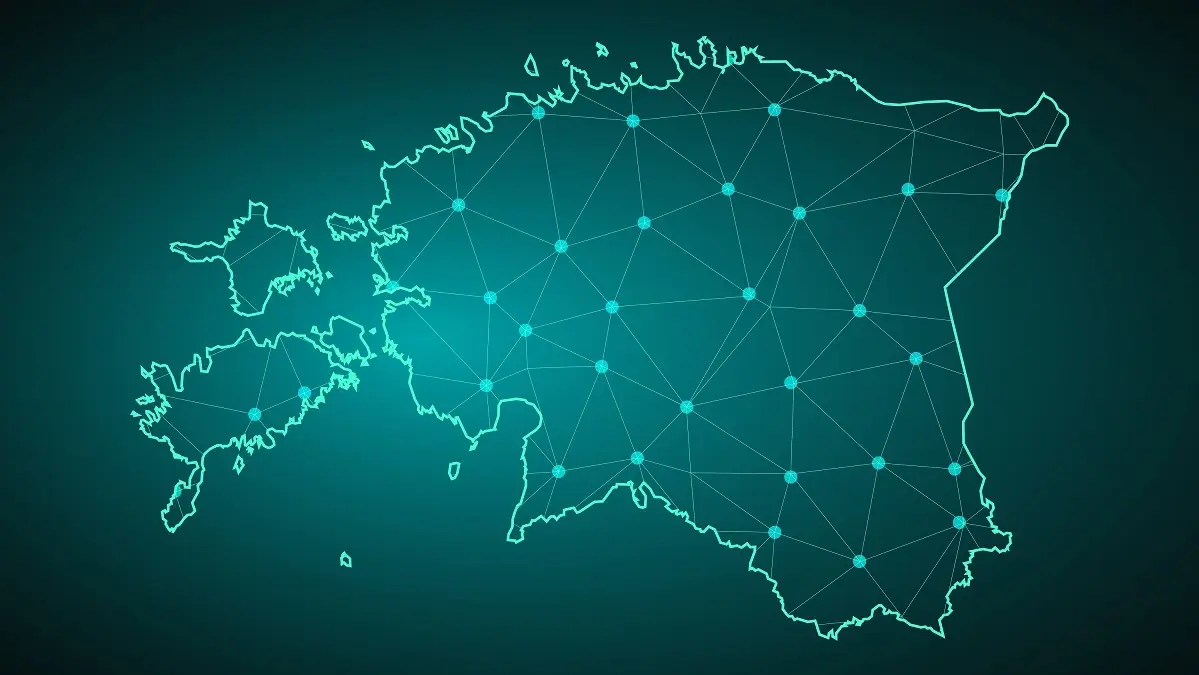
Estonia is widely considered one of the most technologically advanced countries in the world, not because of isolated innovations, but because digital systems are integrated into everyday life at a national level.
Since the early 2000s, Estonia has built a digital state where most public services are accessible online. The objective was to reduce bureaucracy, increase efficiency, and minimize the need for physical interaction with government institutions.
A Fully Digital Government System
At the core of Estonia’s system is a universal digital identity. Every citizen has a secure ID that allows access to government services online.
As a result:
- Around 99% of public services are available online
- Most administrative processes can be completed without visiting an office
- Services such as tax filing, healthcare records, and business registration are accessible through a single system
Tax declarations are one of the most practical examples. Most people complete them in a few minutes because the system is pre-filled with existing data.
While a small number of procedures still require physical presence, even in those cases, applications and documentation can usually be submitted digitally.
Online Voting at National Level
Estonia is the first country to implement large-scale online voting for national elections.
Citizens can vote remotely using their digital ID, and this system has been in use since 2005.
In recent elections, more than half of all votes have been cast online, showing that digital voting is not experimental but widely used.
Business and Administration
Starting a company in Estonia is a fully digital process.
- A business can be registered within hours
- Contracts and administration can be handled online
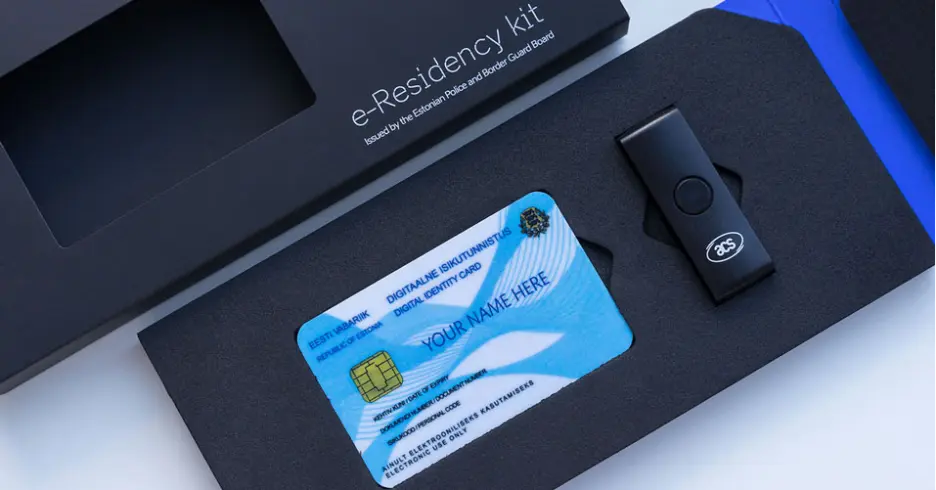
- The country offers e-Residency, allowing non-citizens to establish and manage EU-based companies remotely
This has made Estonia particularly attractive for digital entrepreneurs.
Integration Across Systems
What distinguishes Estonia is the integration of its systems.
Government databases are connected through a secure data exchange system, which means citizens do not have to repeatedly provide the same information to different institutions.
This reduces administrative friction and speeds up processes across sectors.
Interesting Facts
Several notable digital developments are linked to Estonia:
- Skype was developed by engineers based in Estonia
- Voting in national elections can be done online from anywhere
- Prescriptions are digital, allowing medication to be collected without paper documents
- Citizens can see which officials have accessed their personal data
Regarding marriage and divorce:
- These are among the few areas that still require formal legal procedures
- However, applications and documentation can be submitted online, even if the final step is not fully digital
Why Estonia Focused on Digitalization
After regaining independence in 1991, Estonia had limited administrative resources.
Instead of expanding traditional bureaucracy, the country invested in digital infrastructure. This allowed it to build a system that is more efficient and scalable than traditional models.
Conclusion
Estonia’s digital development is based on a fully integrated system where identification, data, and services are connected.
The result is a country where most interactions with the state take place online, and even in areas that are not fully digital, the process is largely handled through digital platforms.

