





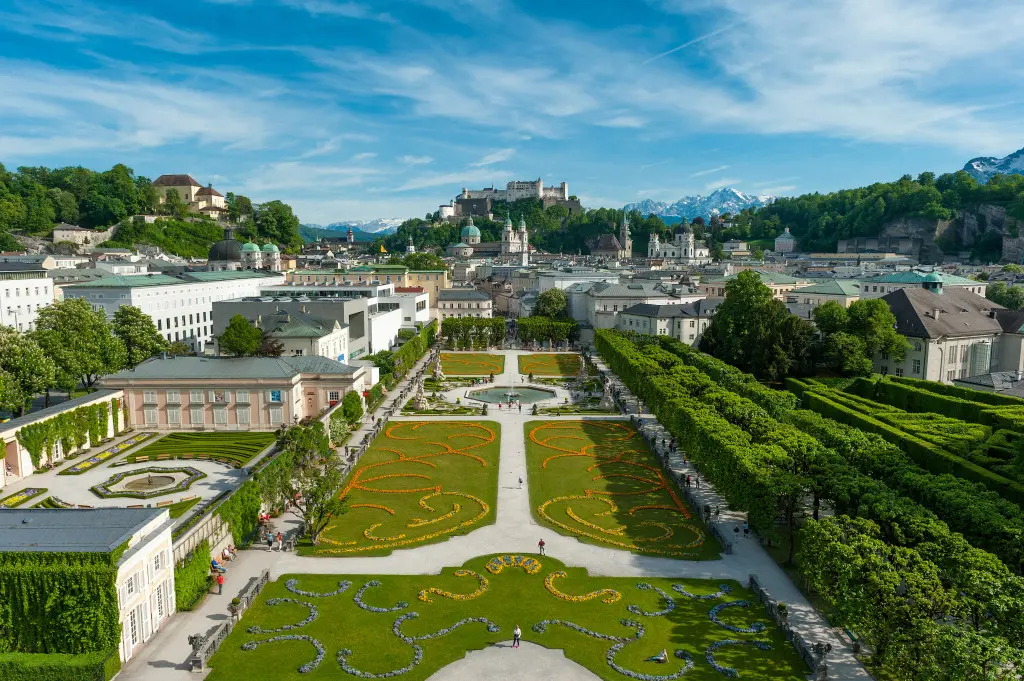
European cities did not emerge from a single plan. They developed gradually over centuries, shaped by geography, limited space, and changing social needs. As a result, many of them share similar design principles that still influence how people move, interact, and live today.
Compact Urban Form
One of the most noticeable features of European cities is their compactness. Cities are relatively dense, with housing, services, and workplaces located close to each other.
This has practical consequences. Shorter distances make walking a realistic option for everyday activities, and public infrastructure becomes more efficient because it serves a concentrated population. Instead of spreading outward, cities grow inward, which keeps daily life more connected and reduces the need for long commutes.
Mixed Land Use
In many European cities, different functions are not separated into strict zones. Residential buildings, shops, offices, and services are often located within the same area, sometimes even within the same building.
This creates neighborhoods that remain active throughout the day. Streets are used not only during working hours but also in the evening and on weekends. It also means that basic needs such as groceries, services, or restaurants are usually within walking distance, which changes how people organize their daily routines.
Public Spaces as Everyday Places
Public spaces play a central role in European cities. Squares, plazas, and parks are designed to be used regularly, not just for special events.
People meet, sit, walk, and spend time in these spaces as part of daily life. Their design focuses on accessibility and comfort, which encourages longer stays and more interaction. This has an economic effect as well, since active public spaces support nearby businesses and services.
Historic Preservation
A large part of European city identity comes from its historical buildings.
Urban development often has to adapt to existing structures rather than replace them. This creates continuity in how cities look and function, but it also limits large-scale redevelopment. New projects must fit into an already established environment, which makes planning more complex.
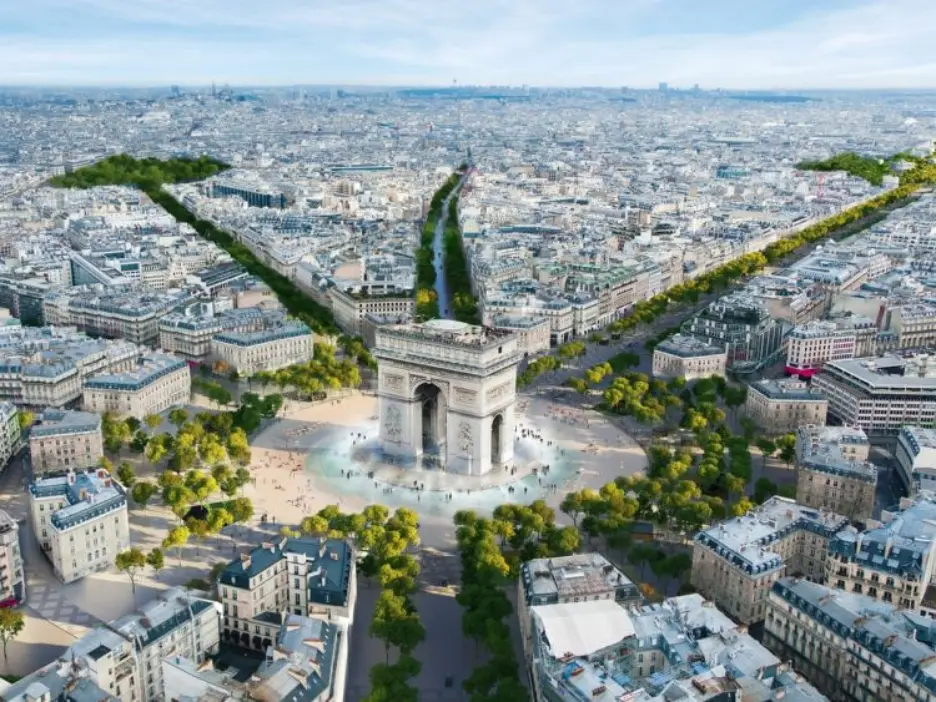
At the same time, preserved historical areas attract tourism and investment, making them economically important as well.
Pedestrian-Oriented Design
Many European city centers are designed primarily for pedestrians.
Car access is often limited or restricted, especially in historic areas. Streets become spaces for walking, social interaction, and local commerce rather than traffic corridors. This improves safety, reduces noise and pollution, and makes city centers more usable.
Design is typically based on a human scale, meaning that distances, street widths, and building proportions are comfortable for walking rather than driving.
Public Transport as a Core System
Public transportation is not an alternative in European cities; it is a central part of how they function.
Networks of buses, trams, metros, and trains are integrated and widely used. Because cities are dense, these systems are efficient and financially viable. They allow people to move across the city without relying on private cars, which reduces congestion and makes mobility more predictable.
Cycling as a Practical Mode of Transport
Cycling is treated as a normal and practical way to move around the city.
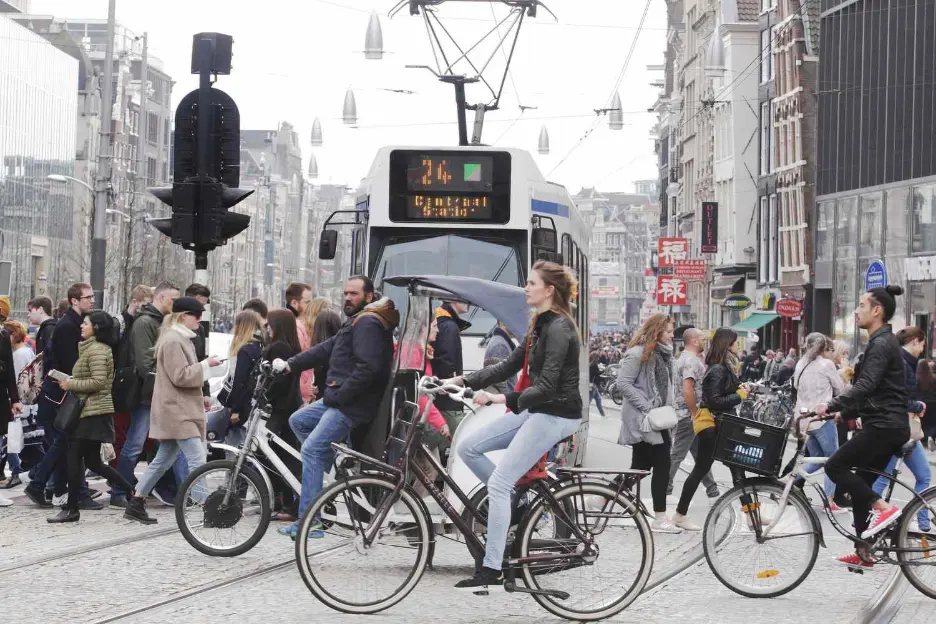
Dedicated bike lanes, parking, and shared systems are built into the urban structure. Cycling often complements public transport, allowing flexible movement across short and medium distances.
This reduces pressure on both road networks and public transport while also contributing to lower emissions.
Green Spaces Within the City
Green spaces are integrated into urban planning rather than added later.
Parks, gardens, and smaller green areas provide environmental benefits such as improved air quality and temperature regulation. They also offer accessible places for recreation and relaxation within dense urban environments.
In cities where space is limited, these areas become especially important for maintaining livability.
Density Gradients
European cities usually follow a clear pattern where density decreases from the center outward.
City centers are the most concentrated, with the highest level of activity and services. Moving away from the center, density becomes lower and more residential.
This structure affects how people access jobs, services, and housing, and it shapes the overall organization of the city.
Local Markets and Food Culture
Local markets are still an important part of everyday life in many European cities.
They provide access to fresh food and support local producers, but they also function as regular meeting points. Unlike large supermarkets, markets operate on a smaller scale and are closely connected to neighborhoods.
This strengthens local economies and reinforces a sense of community.
Participatory Planning
Urban planning in Europe often involves input from residents.
Public consultations, workshops, and discussions allow people to influence decisions about development. While this can slow down projects, it increases acceptance and reduces conflict.
It also allows planners to include local knowledge that may not be visible through data alone.
Conclusion
European cities are shaped by density, proximity, and integration. Their design encourages walking, interaction, and efficient use of space.
These characteristics influence not only how cities look, but how people experience everyday life within them.

