





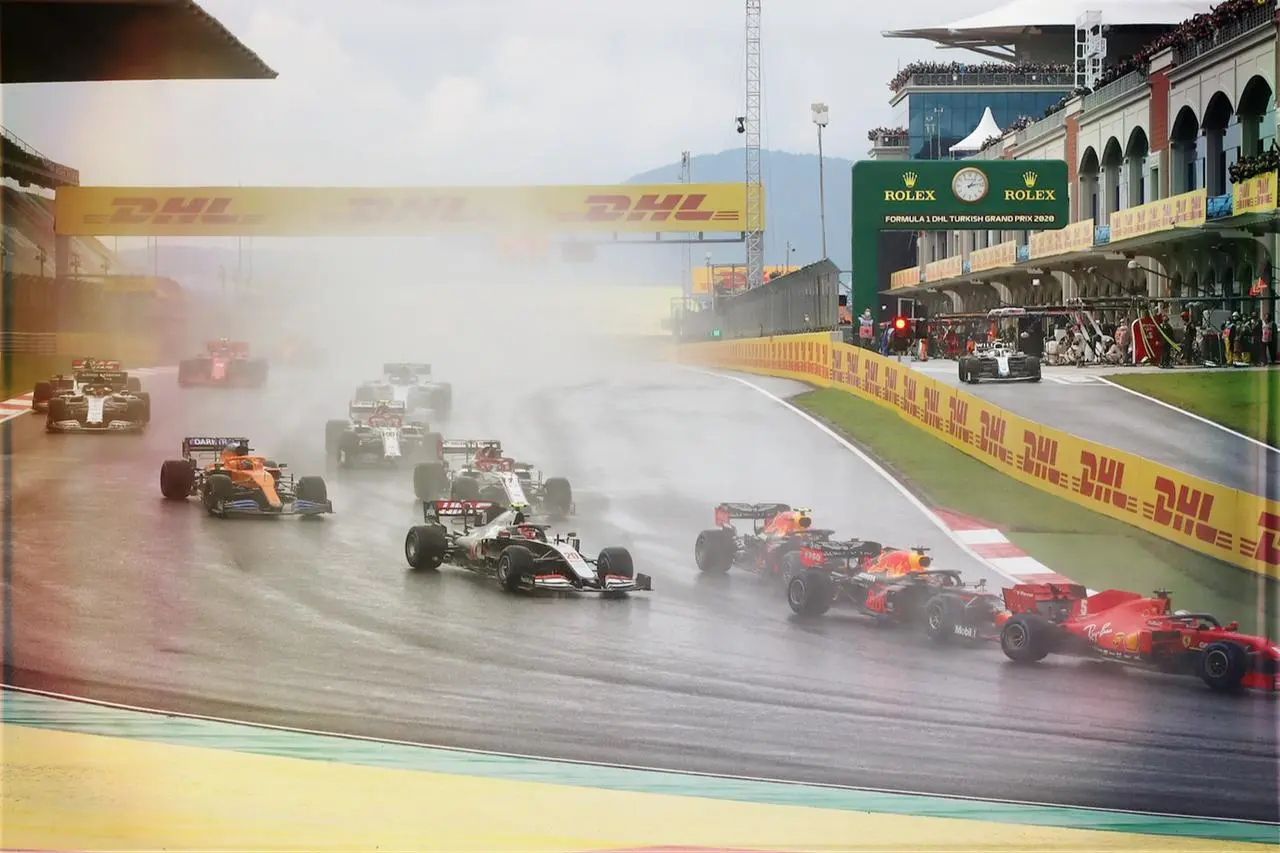
After years of uncertainty, Türkiye is set to return to the Formula One calendar. The decision brings back one of the more technically demanding circuits in modern Formula 1, the Istanbul Park, which has been absent from the regular schedule since its temporary appearances during the pandemic.
A Track That Never Lost Its Reputation
The Turkish Grand Prix was first introduced in 2005 and quickly gained recognition among drivers for its layout.
Istanbul Park is not a high-speed spectacle in the same way as some newer circuits, but it is technically demanding. The track requires precision, tire management, and consistency, particularly in long corners such as Turn 8, which places sustained load on the car.
From a sporting perspective, the circuit was never the issue. Its earlier removal from the calendar after 2011 was driven by financial constraints rather than lack of interest from teams or drivers.
From Temporary Fix to Permanent Return
Turkey’s return during the 2020 and 2021 seasons came under unusual circumstances.
The pandemic forced Formula 1 to rebuild its calendar, and circuits with existing infrastructure were brought back on short notice. Istanbul Park delivered competitive and unpredictable racing, especially in 2020, where track conditions made grip levels unusually low.
Despite this, those races were treated as temporary solutions rather than a long-term commitment.
The current return changes that position. Instead of acting as a replacement venue, Türkiye is now re-entering the calendar as a planned host.
Why the Timing Works Now
The Formula 1 calendar has expanded significantly, but it has also become more flexible.
While new races in regions such as the Middle East and North America have secured long-term deals, there is increasing use of rotation models and adjustments within the European part of the calendar.
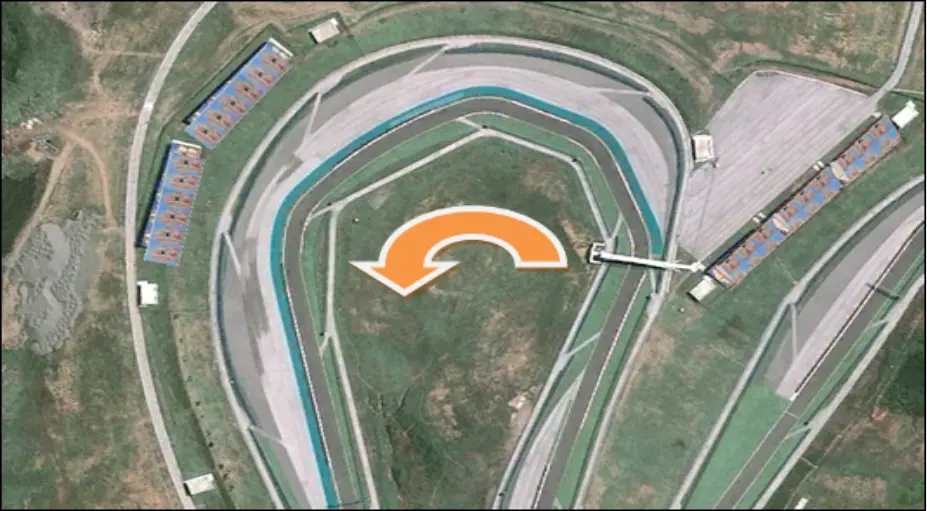
Türkiye fits into this structure. It already has the infrastructure, meets modern technical standards, and does not require large-scale redevelopment.
At the same time, Istanbul offers a large market and a strategic location between Europe and Asia, which aligns with Formula 1’s broader global positioning.
The Financial Factor
The main obstacle in the past was financial.
Hosting fees increased over time, and without consistent public or private backing, the race became difficult to sustain. The current return suggests that this issue has been addressed, either through stronger financial support or a revised agreement structure.
In Formula 1, the commercial side is decisive. Circuits remain on the calendar only if they meet financial expectations.
What It Means for the Calendar
Türkiye’s return adds a track that emphasizes driver skill over predictability.
Modern Formula 1 calendars include a mix of street circuits, high-speed tracks, and technically complex layouts. Istanbul Park belongs to the last category, which is less common among newer additions.
Its inclusion increases variety in race conditions and strategy, which can affect championship dynamics over the season.
Where It Stands Now
Turkey is no longer a backup option.
With its return confirmed, the Turkish Grand Prix moves back into the group of active Formula 1 races, supported by an existing circuit, prior experience, and renewed financial viability.
The key difference from previous appearances is that this is not a temporary solution. It marks a return under planned conditions rather than exceptional ones.

