





Throughout its history, theater developed not only as a form of performance, but as a structured social environment. Over time, attending the theater became associated with specific expectations regarding behavior, appearance, and status. The practice of dressing up is directly connected to how theaters were designed, who attended them, and how social life functioned in earlier periods.
From Public Ritual to Urban Institution
In ancient settings such as Athens, theater was part of religious festivals and civic life. Attendance was large and collective, and while clothing reflected social identity, it was not yet a central element of display.
The role of clothing changed as theaters became permanent institutions in early modern Europe. In cities such as London and Paris, theater became a regular activity tied to urban life. Attendance shifted from occasional participation to repeated social presence, which increased the importance of outward presentation.
Architecture and the Importance of Appearance
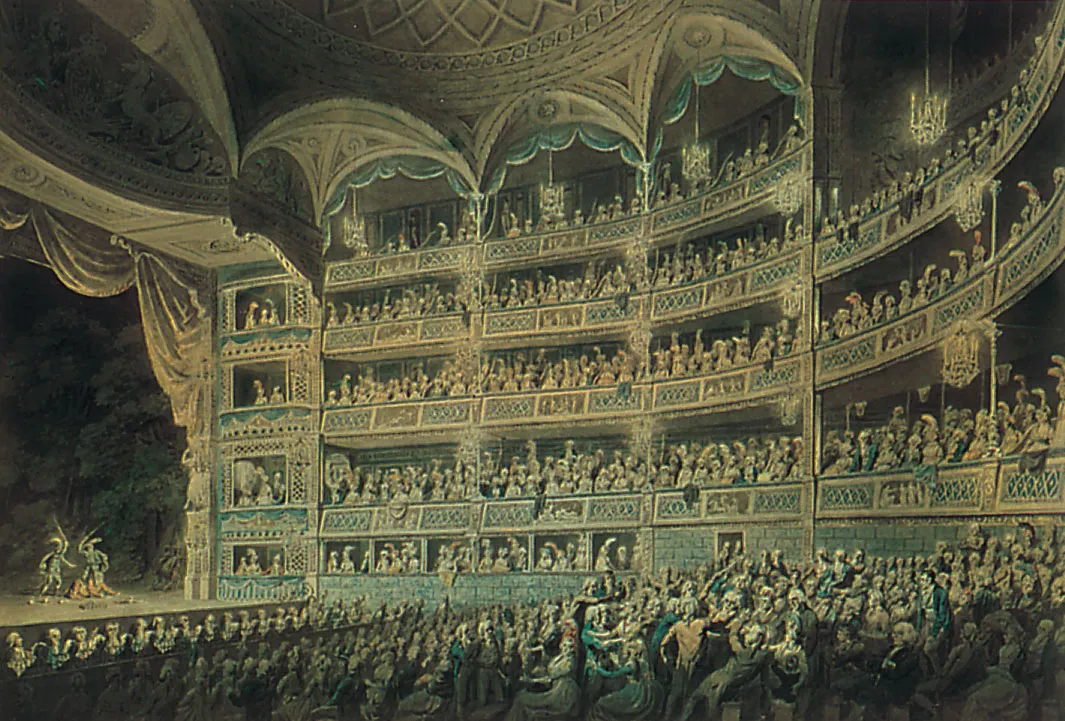
The design of theaters in the 17th to 19th centuries made the audience visible.
In venues such as Teatro alla Scala and Palais Garnier, seating was arranged in tiers of boxes surrounding the stage. These boxes allowed audiences to observe not only the performance but also each other.
Because visibility was constant, clothing functioned as a signal of wealth, taste, and social position. Formal attire, including gowns, tailored suits, and accessories, became standard in higher sections of the theater.
Social Structure and Dress Expectations
Theater spaces reflected social hierarchy.
Seating arrangements separated audiences by class. Private boxes were occupied by elites, while lower-cost seating areas were located further from central visibility. Dress expectations aligned with this structure.
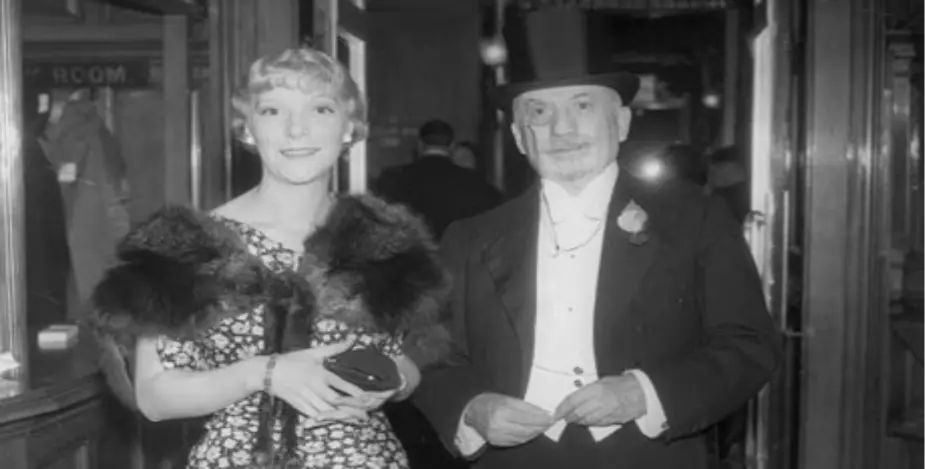
Appropriate clothing indicated belonging to a particular social group. In elite sections, formal dress was expected as part of participation. In lower sections, dress was less regulated but still reflected social norms.
Clothing, therefore, operated as a visible marker of status within the theater environment.
Theater as a Social Meeting Environment
Theater attendance provided a setting for observing and interacting within defined social circles.
Public venues such as theaters, balls, and salons were among the few spaces where individuals from similar social backgrounds gathered regularly. Families attended performances together, and social networks overlapped within these settings.
Opportunities for introductions and relationship formation were connected to these environments. Visibility, repeated attendance, and shared social context made theater one of the locations where long-term relationships could begin.
Formal Etiquette and Cultural Norms
By the 18th and 19th centuries, attending the theater was governed by established etiquette.
Formal dress was part of these expectations, particularly for evening performances. Clothing signaled respect for the event and adherence to social norms.
These standards were reinforced by repetition and visibility. Regular attendees maintained consistent dress patterns, and deviations were noticeable within the social setting.
Decline of Formal Dress Requirements
In the 20th century, the role of theater changed.
The expansion of mass entertainment, including cinema and later television, reduced the central role of theaters as primary social venues. Access widened, and audiences became more diverse.
At the same time, rigid social hierarchies weakened, and formal dress requirements became less strictly enforced. Attendance no longer depended on adherence to specific dress codes.
Contemporary Practice
Formal dress is no longer required in most theaters, but it remains associated with certain types of performances, particularly opera and classical productions.
In these contexts, dressing up continues as a convention linked to the historical role of theater as a formal social environment.
Conclusion
Dressing up for the theater developed from the combination of architectural visibility, social hierarchy, and established etiquette. Clothing functioned as a marker of status and participation within a structured public setting.
Although modern theater has relaxed these requirements, the association between performance and formal presentation remains rooted in these historical conditions.

