





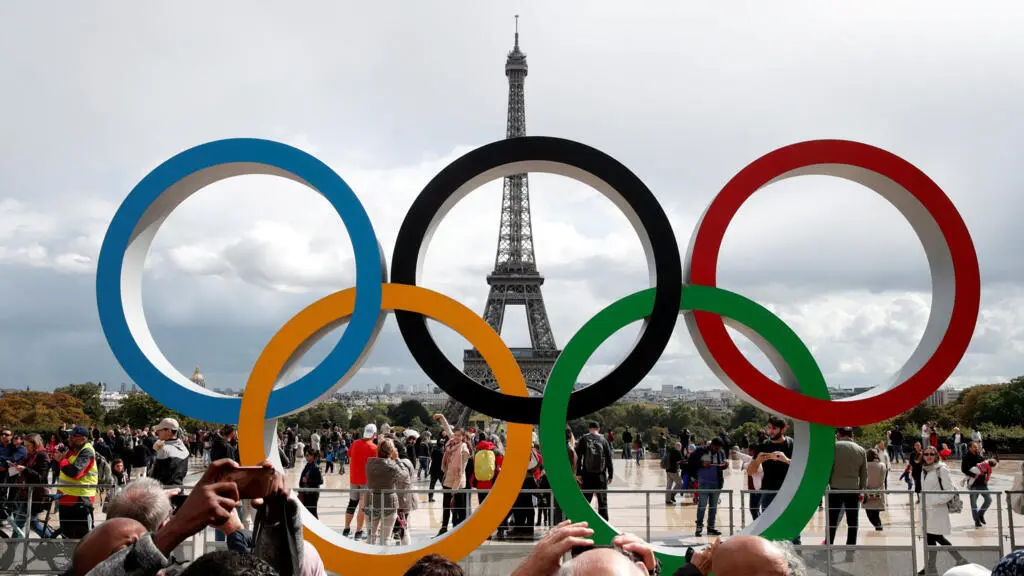
The International Olympic Committee has moved toward stricter eligibility rules for women’s competitions, focusing increasingly on biological criteria rather than self-identified gender.
According to recent statements, eligibility in women’s categories is being defined more narrowly, with proposals referencing biological markers such as the SRY gene. This reflects a shift away from earlier policies that relied primarily on hormone levels.
From Inclusion to Restriction
Transgender athletes have been allowed to compete in the Olympics since 2004. For most of that period, the rules were based on testosterone thresholds rather than biological classification.
In practice, participation has been extremely limited.
The only widely recognized case is Laurel Hubbard, who competed in weightlifting at the Tokyo Olympics. She did not record a successful lift and did not place in the competition.
No transgender athlete has won an Olympic medal.
Why the Policy Is Changing
The change in direction is driven by concerns about competitive fairness.
Earlier frameworks assumed that regulating hormone levels would be sufficient to ensure equal competition. Over time, this assumption has been questioned, as physical differences between male and female bodies are not determined by a single variable.
As a result, governing bodies are moving toward criteria that rely more directly on biological classification.
What This Means in Practice
The shift does not create a fully unified system, but it signals a stricter approach.
Eligibility rules are becoming more restrictive, and participation in women’s categories is increasingly tied to biological definitions rather than identity-based criteria.
This reduces ambiguity but also limits inclusion, which is why the issue remains controversial.
Key Point
The debate is not really about individual athletes. It is about how sport defines its categories and what those categories are supposed to achieve. Women’s competitions were originally created to account for biological differences that affect performance, not identity.
As rules move away from hormone levels and toward biological criteria, the way these categories are defined becomes more fixed. Instead of relying on adjustable thresholds like testosterone, governing bodies are trying to base eligibility on characteristics that do not change over time.
The question then becomes where the line should be drawn. It is less about specific cases and more about how sport balances fairness and inclusion when the criteria themselves are being reconsidered.

