





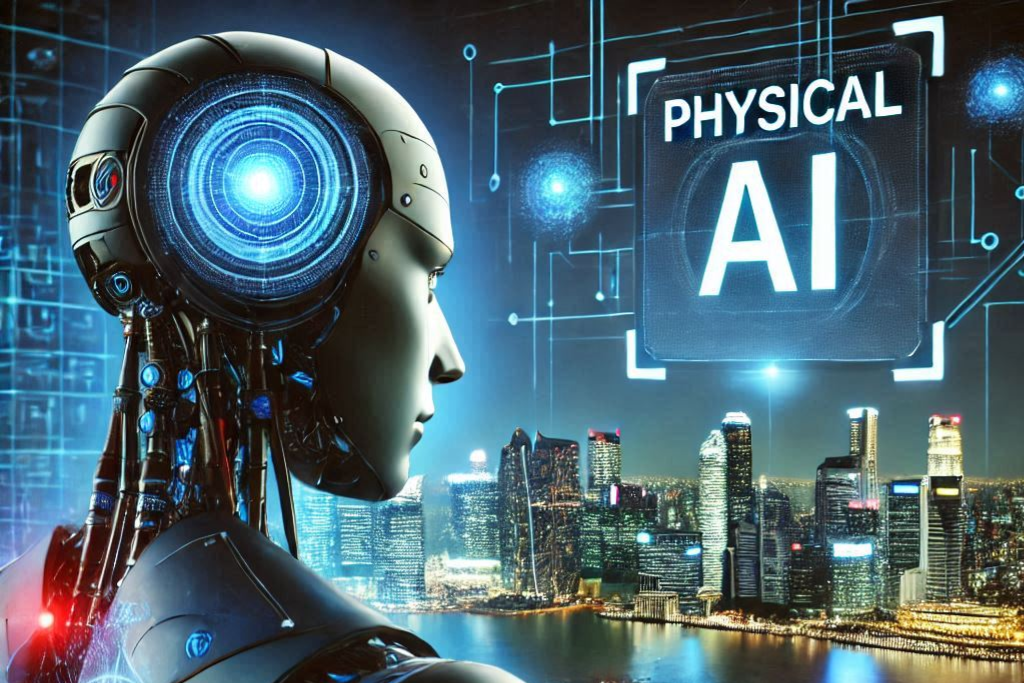
For years, most artificial intelligence systems operated almost entirely in digital environments. They analyzed text, generated images, processed data, or recommended content through screens and software. A new direction is now emerging: AI systems that interact directly with physical environments.
This development is increasingly referred to as “physical AI.”
The term describes AI systems connected to machines, sensors, robotics, and industrial infrastructure, allowing them to observe, interpret, and respond to real-world conditions in real time.
Moving Beyond Digital AI
Traditional AI systems mainly process information in virtual environments. Physical AI extends this capability into factories, buildings, transportation systems, warehouses, and industrial operations.
Instead of only producing outputs on a computer, these systems can interact with physical processes through sensors and control systems. This places physical AI at the intersection of artificial intelligence, robotics, automation, and spatial awareness.
The objective is not only to analyze information, but to understand how physical environments function and adapt to changing conditions.
Why Companies Are Focusing on It
One reason physical AI is receiving attention is its direct industrial relevance.
According to Peter Koerte, Chief Technology Officer and Chief Strategy Officer at Siemens, the value of AI increasingly comes from practical applications such as improving manufacturing efficiency, making buildings more sustainable, and increasing transportation safety.
Unlike consumer AI tools that focus mainly on digital interaction, physical AI is connected to operational systems already embedded in the economy. This shifts the discussion away from chatbots and content generation toward infrastructure, logistics, energy systems, and industrial production.
Understanding Physical Environments
Physical AI depends on environmental awareness.
Machines must process information about movement, pressure, temperature, energy use, and spatial positioning. This requires continuous streams of operational data collected through sensors and industrial systems.
Much of this data is controlled by companies rather than individuals. As a result, development depends heavily on cooperation between organizations and industries.
Factories, logistics networks, energy systems, and transport infrastructure often operate through separate software environments. For AI systems to function effectively across them, those systems must be able to communicate with each other.
This is where interoperability becomes important.
Why Interoperability Matters
Interoperability refers to the ability of different systems and software platforms to exchange and use information together.
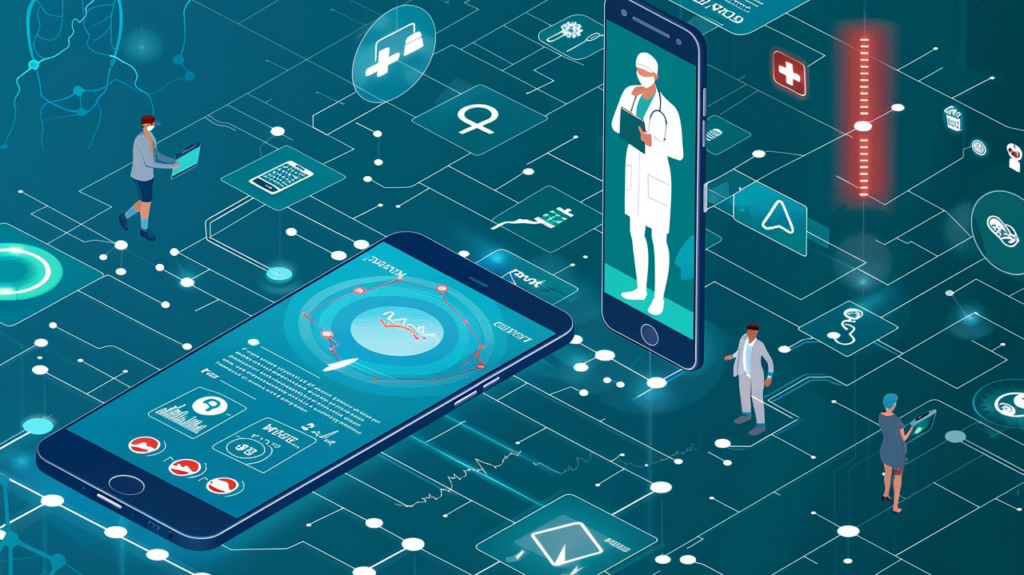
Physical AI cannot operate efficiently if every machine or company works within isolated systems. A factory AI system, for example, may need access to production schedules, maintenance systems, energy consumption data, and logistics information simultaneously.
If those systems cannot communicate, the AI remains limited to isolated tasks rather than managing broader operational processes.
This is why industrial companies increasingly focus on open APIs, shared standards, and compatible software interfaces.
Digital and Physical Systems Working Together
A major concept behind physical AI is the integration of digital and physical environments.
Many industrial companies already use digital twins, which are virtual models of real facilities or machines. Physical AI allows these models to continuously exchange information with actual operations in real time.
This makes it possible to predict equipment failures before they happen, optimize energy use, test operational adjustments virtually, and improve maintenance scheduling without interrupting production.
Instead of existing separately, the digital system and the physical environment begin operating as connected systems.
Why Existing Infrastructure Matters
Most physical AI systems will not be built into entirely new factories or infrastructure.
Instead, companies are trying to integrate AI into facilities that already exist. This creates additional complexity because industrial systems are often old, fragmented, and produced by different manufacturers over long periods of time.
As a result, compatibility becomes as important as the AI models themselves.
This also explains why partnerships between industrial firms and technology companies are expanding rapidly.
The Role of Large Technology Companies
No single company currently controls all aspects of physical AI development.
Industrial firms provide operational expertise and infrastructure, while technology companies contribute to computing systems, AI models, and cloud platforms.
This has created partnerships between companies such as NVIDIA, Amazon Web Sevices, Microsoft, and large industrial groups.
The development of physical AI increasingly depends on combining industrial engineering with large-scale computing capabilities.
How It Could Affect Daily Life
Although much of the discussion focuses on industry, physical AI will also influence everyday systems.
In transportation, AI can process sensor data to improve traffic management and safety. In buildings, systems can adjust heating, cooling, and electricity use automatically based on real-time conditions. Warehouses and logistics centers already use AI-driven robotics to coordinate movement and inventory management.
Because these systems operate continuously, even small efficiency improvements can produce significant economic effects when applied at large scale.
Conclusion
Physical AI represents a shift from AI systems that mainly process digital information toward systems that interact directly with the physical world.
Its development depends on sensors, robotics, industrial data, and interoperability between systems. Rather than replacing existing infrastructure, physical AI is increasingly being integrated into factories, transport systems, buildings, and energy networks already in operation.
The significance of physical AI lies not in individual devices, but in the growing ability of connected systems to monitor, adapt, and make decisions within real environments.