





Sport is often described as separate from politics. International competitions are supposed to bring people together regardless of borders or conflict.
In reality, the world of sports has always been influenced by geopolitics. Wars, sanctions, diplomatic disputes, and security concerns regularly shape where events take place and who is allowed to compete.
Recent developments in global sport show once again how fragile the boundary between athletics and international politics can be.
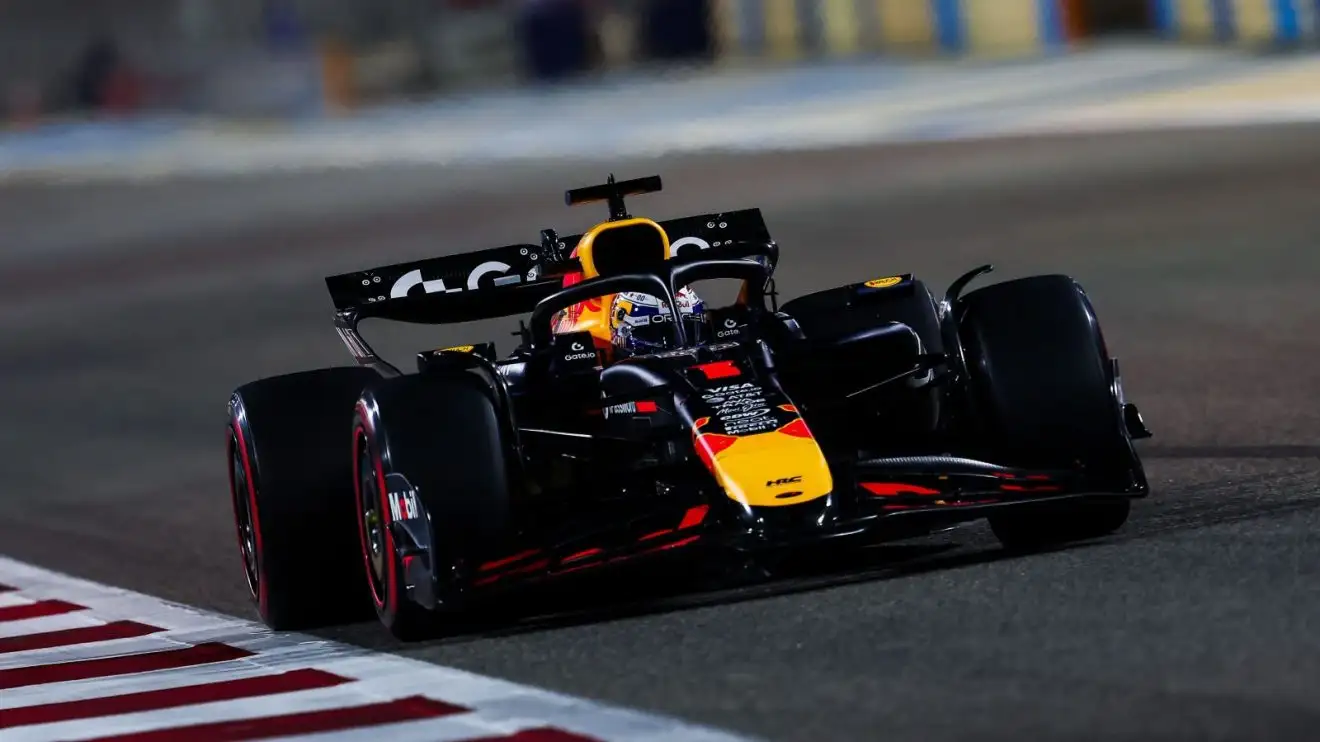
Formula 1 and the Impact of War
One of the clearest examples this year comes from Formula One.
The championship was scheduled to hold two races in the Middle East in April: the Bahrain Grand Prix and the Saudi Arabian Grand Prix.
Both events have now been cancelled due to the ongoing regional conflict involving Iran. The decision was made primarily because of safety risks and logistical challenges connected to the war.
The Bahrain race had been scheduled for April 12, followed by the Saudi Arabian race on April 19. With the cancellation of both events, the Formula 1 calendar now has a five week gap between the Japanese Grand Prix and the Miami Grand Prix.
For Formula 1, which relies heavily on global logistics and the movement of large amounts of equipment, even small geopolitical disruptions can create major challenges.
Shipping race cars, engines, and team infrastructure across continents requires stable transport routes and secure host locations. When those conditions cannot be guaranteed, races simply cannot happen.
Sport as a Global Industry
Modern sports leagues operate on a truly global scale.
Major competitions involve:
- international broadcasting contracts
- multinational sponsorship deals
- global travel for teams and equipment
- host country investments worth hundreds of millions of dollars
Because of this, geopolitical instability can affect sports far beyond the playing field.
The cancellation of races does not only affect drivers and teams. It also impacts local tourism, hotel bookings, media rights, and sponsorship agreements.
In the case of Formula 1, host countries pay some of the largest event fees in global sport in order to bring races to their cities.
When Politics Determines Who Competes
Geopolitics also influences which countries are allowed to participate in international competitions.
International federations and governing bodies sometimes suspend or ban teams due to political conflicts, sanctions, or violations of international rules.
These decisions often generate intense debate. Some argue that sports should remain neutral. Others believe global competitions cannot ignore major geopolitical events.
Either way, the result is the same: global politics inevitably shapes the structure of international sport.
A Pattern That Is Not New
The intersection of sport and geopolitics has many historical precedents.
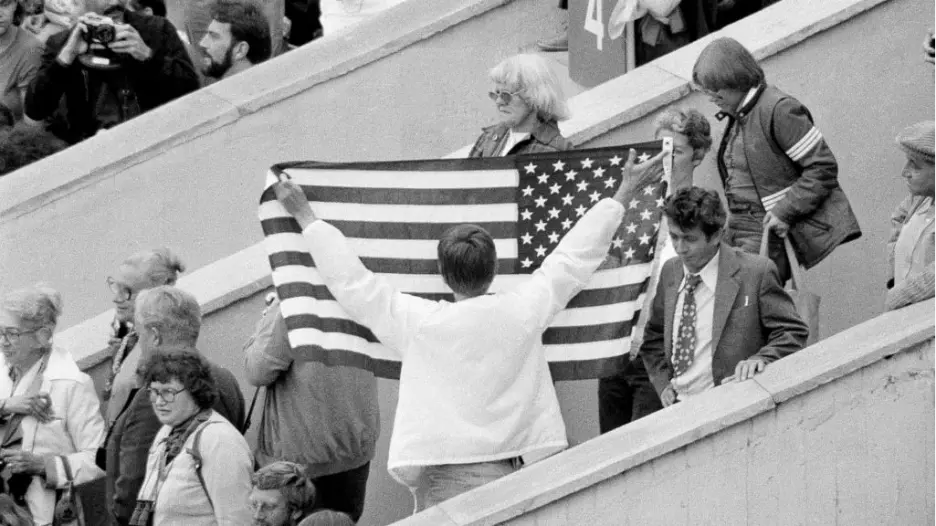
Examples include:
- Olympic boycotts during the Cold War
- the exclusion of certain nations from tournaments due to sanctions
- events relocated because of wars, unrest, or security threats
Sport may symbolize unity, but it operates within the same political environment as every other international institution.
The Reality of Global Sport
As sports leagues expand into new markets, they become more exposed to geopolitical risk.
Formula 1 races take place across multiple continents. Football tournaments involve dozens of national teams. Olympic events depend on the cooperation of hundreds of countries.
This global scale brings enormous opportunities for cultural exchange and economic growth. It also means that when international tensions rise, sports are rarely insulated from the consequences.
In theory, sport exists outside politics.
In practice, the two have always been deeply connected.

