



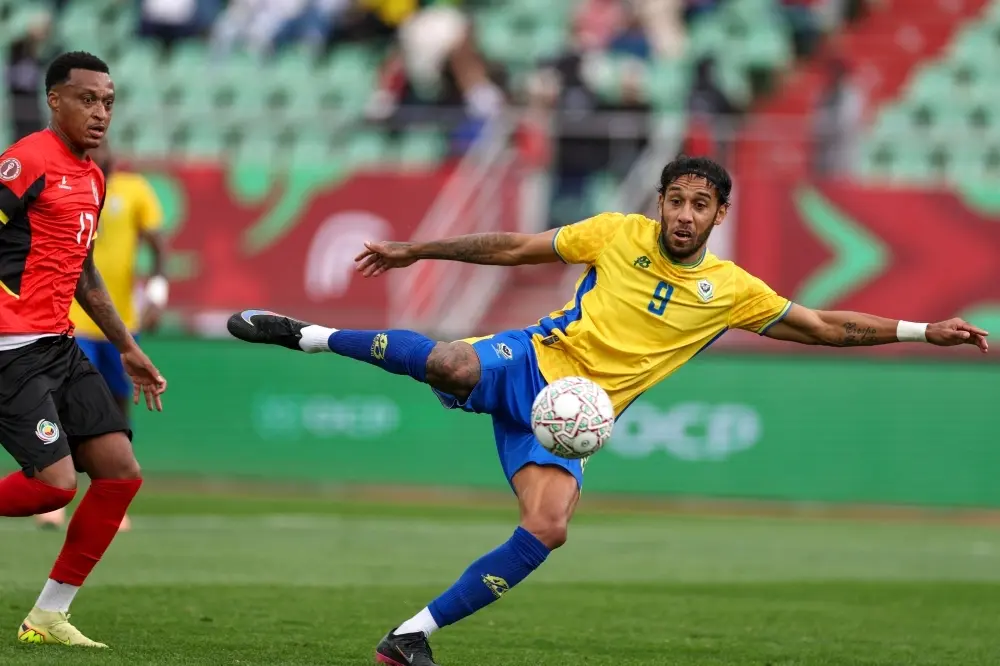
Gabon has taken the rare step of suspending its national football team following a disastrous performance at the Africa Cup of Nations. The decision came after Gabon lost all three of its group matches and finished bottom of its group, exiting the tournament without a single point.
The government described the campaign as unacceptable and announced immediate measures aimed at restructuring national football and restoring discipline and accountability.
Government Intervention in Football
Following the tournament, Gabon’s acting sports minister publicly confirmed that the national team would be suspended indefinitely. Coaching staff were dismissed, and senior figures within the setup were removed from their roles. The government framed the move as a response to poor preparation, weak leadership, and long-standing structural problems within Gabonese football.
Such direct state intervention is unusual in modern football governance and has drawn attention because international football bodies generally require national associations to operate independently from governments.
Aubameyang’s Exclusion
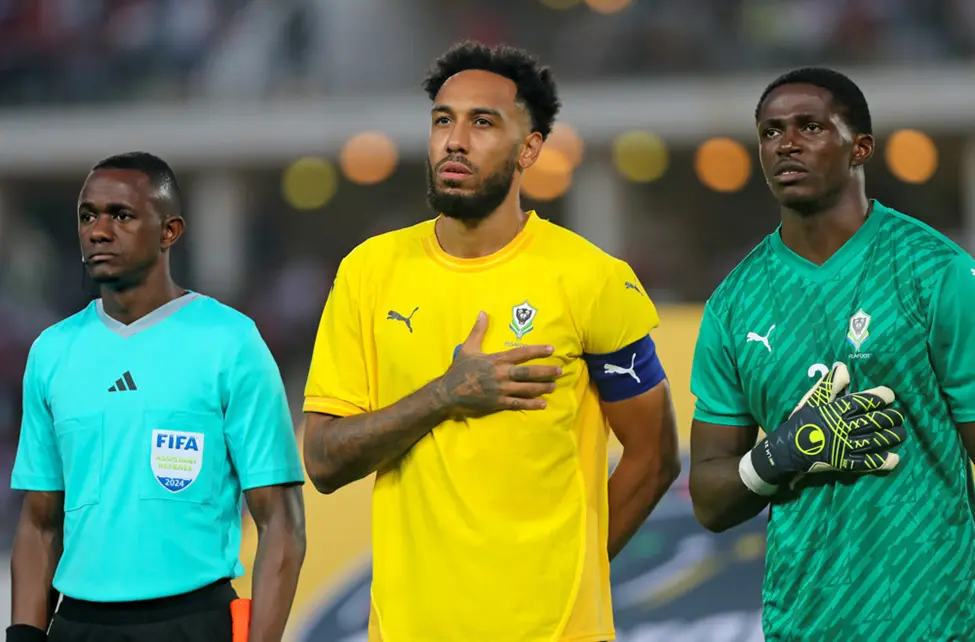
Among the most notable decisions was the exclusion of Pierre‑Emerick Aubameyang, Gabon’s most famous footballer and all-time leading scorer. Aubameyang, who captained the national team for many years, was formally barred from future national team selection.
The ban applies strictly to national team involvement. There has been no ban on Aubameyang entering Gabon, and no travel or residency restrictions have been imposed, in contrast to a wide range of speculations in the media.
At the time of Gabon’s final match, Aubameyang had already returned to club football due to injury. Nevertheless, authorities included him in a broader decision to exclude senior players as part of what they described as a generational reset.
Aubameyang’s Reaction
Aubameyang responded before by rejecting the idea that responsibility rested with individual players. He stated that the problems facing Gabonese football were deeper and systemic, involving management, planning, and governance rather than player commitment alone. At 36, the decision is widely seen as effectively ending his international career, though officials did not explicitly frame it as a permanent retirement order.
Risk Of International Sanctions
The government’s actions have raised questions about compliance with international football rules. FIFA statutes prohibit direct government control over national football associations. If Gabon’s intervention is deemed excessive, the country could face sanctions, including suspension from international competitions.
As of now, no formal disciplinary action has been announced by FIFA or the Confederation of African Football, but the situation is being closely watched.
What Comes Next for Gabonese Football
Gabon has not yet outlined a clear roadmap for reinstating the national team or rebuilding its football structure. Officials have said reforms are necessary before international competition can resume, but no timeline has been provided.
For players, supporters, and administrators, the suspension marks one of the most dramatic moments in the country’s football history. Whether it leads to genuine reform or further isolation will depend on how Gabon balances accountability with international football governance rules.

