

Why 536 AD Was the Worst Year in History
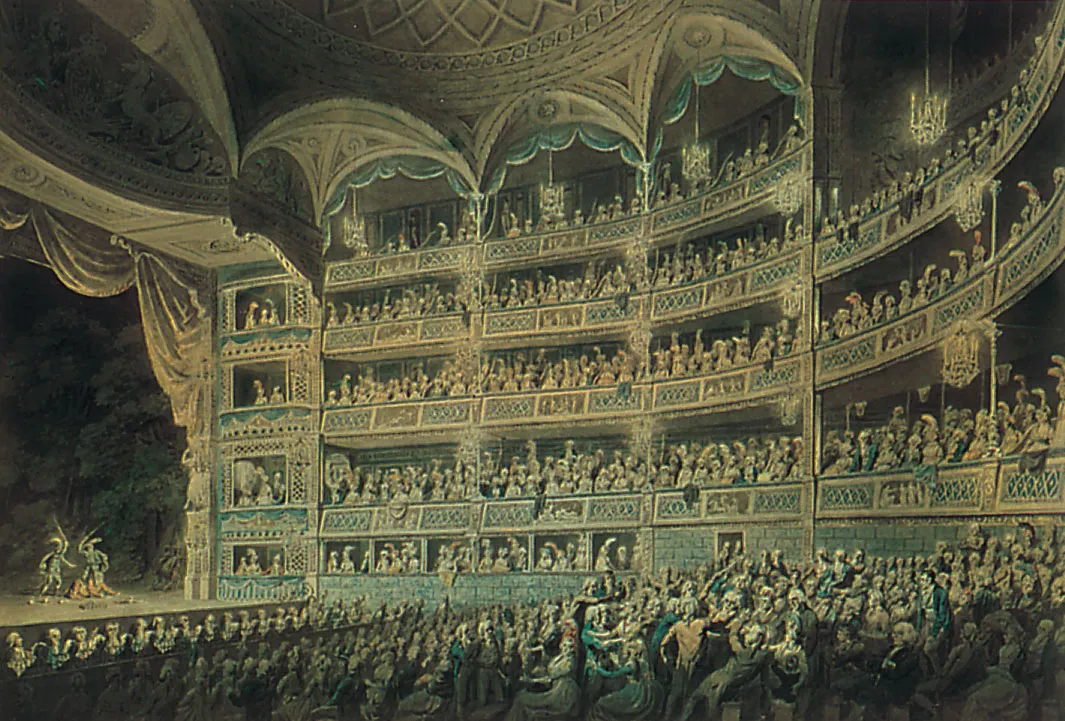
Historians and climate scientists increasingly point to 536 AD as the worst year to be alive. Not because of a single catastrophe, but because it marked the beginning of one of the
Read MoreHistorians and climate scientists increasingly point to 536 AD as the worst year to be alive. Not because of a single catastrophe, but because it marked the beginning of one of the
Read MoreFinland is home to just over five million people and nearly three million saunas. Warmth here is not a luxury. It is part of daily life, embedded in culture, infrastructure, and identity.
Read MoreElectricity bills across advanced economies have been rising steadily, and in some places sharply. In the United States, households that rely primarily on electricity for heating are expected to spend about 4
Read MoreAcross Europe, housing affordability has become one of the most binding economic constraints facing households. In many major cities, the relationship between incomes and home prices has broken down to a point
Read MoreMost decisions feel deliberate. We compare options, consider prices, and choose what seems best. Yet behavioral economics shows that many choices are shaped by context rather than pure logic. One of the
Read MoreFor the first time on record, renewable energy sources generated more electricity than coal at the global level during the first half of 2025. According to Ember (2025), renewable sources including solar,
Read MoreIceland’s energy system is shaped first and foremost by geology. The country lies directly on the Mid-Atlantic Ridge, where the Eurasian and North American tectonic plates are slowly pulling apart. This makes
Read MoreAfter years of warning that global oil demand was approaching a peak, the International Energy Agency has recently presented a more cautious view. In its latest World Energy Outlook, the IEA highlights
Read MoreFor decades, societies have treated university education as the universal pathway to success. Families encouraged children to collect degrees, governments subsidized academic expansion, and employers rewarded credentials. However, the world that made
Read More