





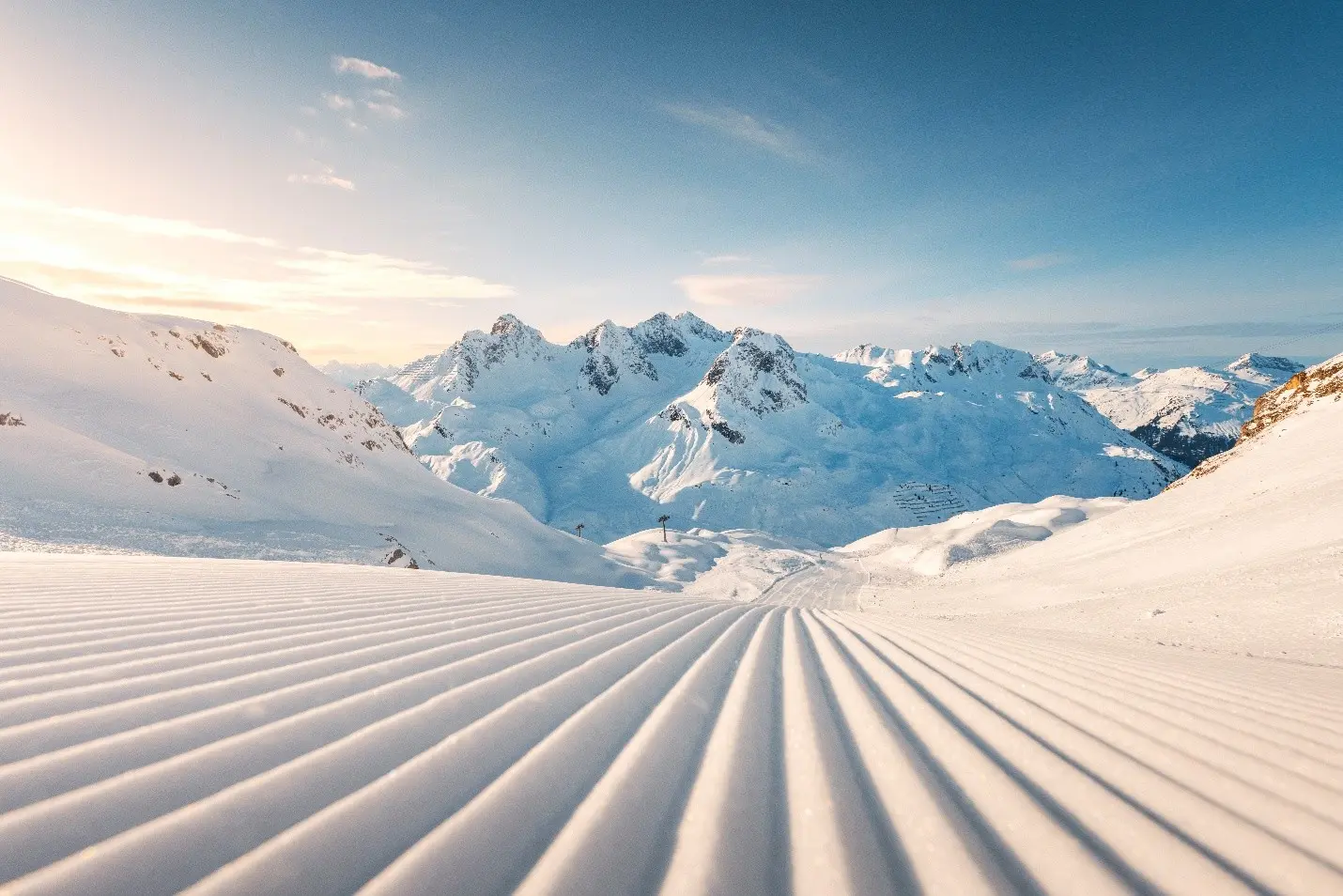
Europe’s ski resorts are not interchangeable. Geography, safety standards, pricing, and culture shape how each destination feels on the mountain and off it. Some places focus on technical skiing and strict avalanche control, others on affordability and accessibility, and some on scenery and atmosphere. Understanding these differences matters more than simply knowing which resort is biggest or most famous.
The High Alpine Standard: France and Switzerland
High altitude resorts in France and Switzerland set the benchmark for reliability and safety. Places such as Val d’Isère and Zermatt benefit from elevation and glacier access, which translates into longer seasons and more consistent snow. These resorts invest heavily in avalanche control, grooming, and rescue infrastructure, making them among the safest in Europe despite challenging terrain.
The tradeoff is price. Accommodation, lift passes, and food in these destinations are among the most expensive on the continent. They attract experienced skiers who value snow certainty, long runs, and professional mountain management over affordability.
Austria’s Balance Between Safety and Accessibility
Austria occupies a middle ground that few countries match. Resorts like St. Anton, Kitzbühel, and Sölden combine world class skiing with strong safety culture and relatively predictable pricing. Austrian resorts are known for clear piste marking, disciplined avalanche management, and well-integrated mountain rescue services.
What makes Austria unique is consistency. Even smaller resorts maintain high safety standards, and infrastructure is designed to move skiers efficiently. Prices are generally lower than Switzerland, and après ski culture is part of the experience rather than an afterthought.
Italy’s Focus on Comfort and Landscape
Italian resorts such as Cortina d’Ampezzo stand out less for extreme terrain and more for atmosphere. The Dolomites offer dramatic landscapes, wide groomed slopes, and a relaxed pace. Skiing here is often about enjoyment rather than endurance.
Prices are typically more moderate than in France or Switzerland, and safety standards remain high, especially on piste. Italy appeals to intermediate skiers and families who want scenic skiing combined with good food and cultural depth.
Freeride And Expertise: Where Skill Matters Most
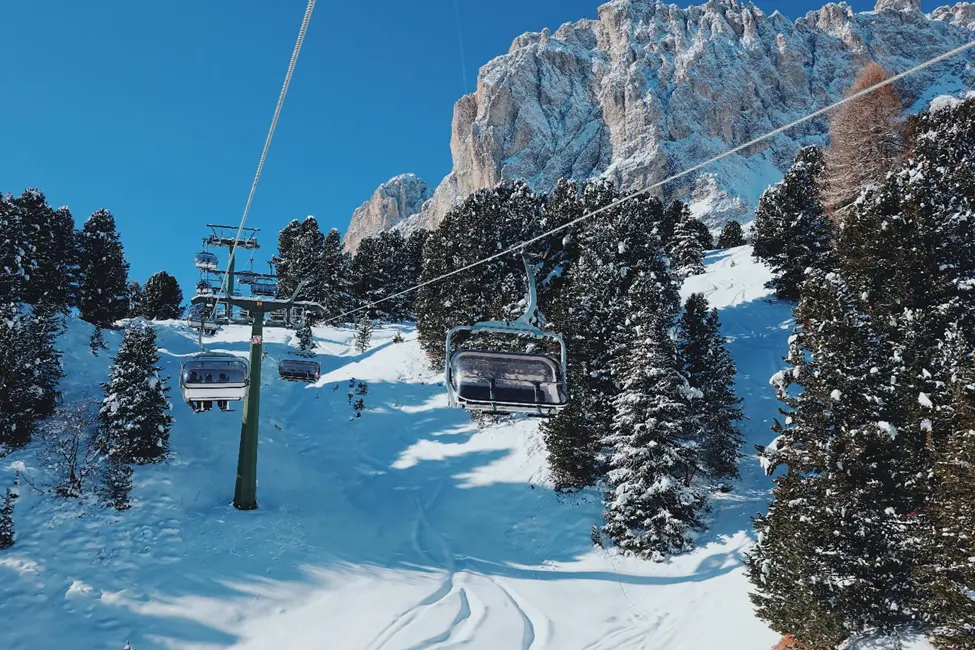
Some destinations are defined by the type of skier they attract. Verbier and St. Anton are known for off-piste and freeride terrain. These areas offer extraordinary skiing, but they demand experience and respect for mountain conditions.
Safety infrastructure in these resorts is strong, but responsibility shifts more heavily to the skier. Guides, local knowledge, and avalanche awareness are essential. These destinations reward skill, but they are not designed for casual or first-time skiers.
Value-Driven Resorts in Central and Eastern Europe
Not all great skiing requires Alpine budgets. Resorts such as Jasná in Slovakia and Bansko in Bulgaria have become increasingly popular as infrastructure improves and prices remain low.
These destinations offer modern lifts, improving safety standards, and good snow conditions for most of the season. While they cannot match the scale of the Alps, they provide accessibility for new skiers and budget-conscious travelers. Their uniqueness lies in affordability rather than size or prestige.
What Really Separates These Destinations
The best ski destination is not universal. High-altitude resorts prioritize snow reliability. Austria excels in organization and safety culture. Italy offers comfort and scenery. Eastern Europe provides access and affordability.
Understanding these differences helps skiers choose a destination that matches their skills, expectations, and budget. Europe’s strength lies not in having one perfect resort, but in offering distinct skiing experiences shaped by geography, policy, and culture.

