






Poland has approved a new tax reform aimed at supporting families and responding to long-term demographic decline. The law, signed by President Karol Nawrocki, removes the obligation to pay personal income tax on earnings up to a defined threshold for parents raising at least two children.
This measure is part of a broader effort to reduce financial pressure on households, increase disposable income, and encourage economic activity at a time when many European countries are struggling with low birth rates and aging populations.
How The Tax Exemption Works
Under the new rules, eligible parents will not pay personal income tax on annual earnings of up to 140,000 Polish zloty. Income above this level remains subject to standard taxation. The exemption applies individually, meaning that in households where both parents qualify, the benefit can be effectively doubled.
The policy applies to a wide range of family arrangements. Biological parents, adoptive parents, foster parents, and legal guardians with parental responsibility are all included, reflecting a broader definition of caregiving beyond traditional family structures.
Who Is Eligible
Eligibility depends on the number of children under care rather than marital status. Families with at least two children qualify for the exemption, provided legal guardianship requirements are met. The government has emphasized that the policy is designed to support long-term family responsibility rather than temporary household arrangements.
Expected Financial Impact
According to estimates prepared by the presidency, an average eligible family could see its monthly disposable income increase by several hundred to around 1,000 zloty, depending on earnings and household composition. Analysts note that the benefit is unevenly distributed, with higher-income households gaining more in absolute terms, while families earning below the tax-free threshold may see little or no change.
For example, families with moderate to higher monthly incomes are expected to experience noticeable savings, while those on the lowest national income levels will benefit less due to already limited income tax obligations.
Why Poland Is Taking This Step
Poland, like much of Europe, faces a deep demographic challenge. Birth rates remain below replacement level, and the working-age population is shrinking. This trend increases pressure on public finances, pension systems, and healthcare services.
Supporters of the reform argue that tax relief tied to earned income directly addresses one of the main barriers to having children: cost. Housing, childcare, education, and everyday expenses have risen faster than wages, making family expansion financially risky for many households.
Part Of a Broader Political Agenda
Zero personal income tax for families was a central element of Nawrocki’s presidential campaign. He presented the idea early in his run for office and committed to implementing it immediately after taking power.
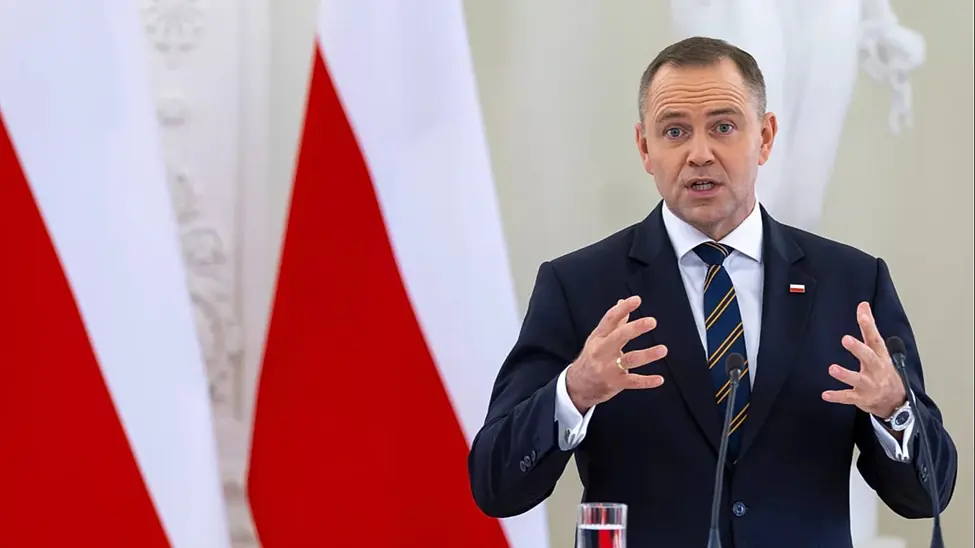
The reform is also linked to a wider policy agenda focused on reshaping Poland’s tax system, although several accompanying proposals remain at the discussion or planning stage.
Public Response and Ongoing Debate
Public consultation data suggests broad support for the reform, with a clear majority of participants viewing the tax change as necessary. At the same time, economists continue to debate whether tax incentives alone are sufficient to reverse demographic decline, or whether deeper structural issues such as housing availability and job security must also be addressed.
A Signal Beyond Poland
Poland’s move reflects a wider European shift toward more direct, interventionist family policy. As population decline accelerates across the continent, similar tax-based incentives are likely to be debated elsewhere. The Polish case highlights how tax systems are increasingly being used not only to raise revenue, but to shape long-term social and demographic outcomes.

