





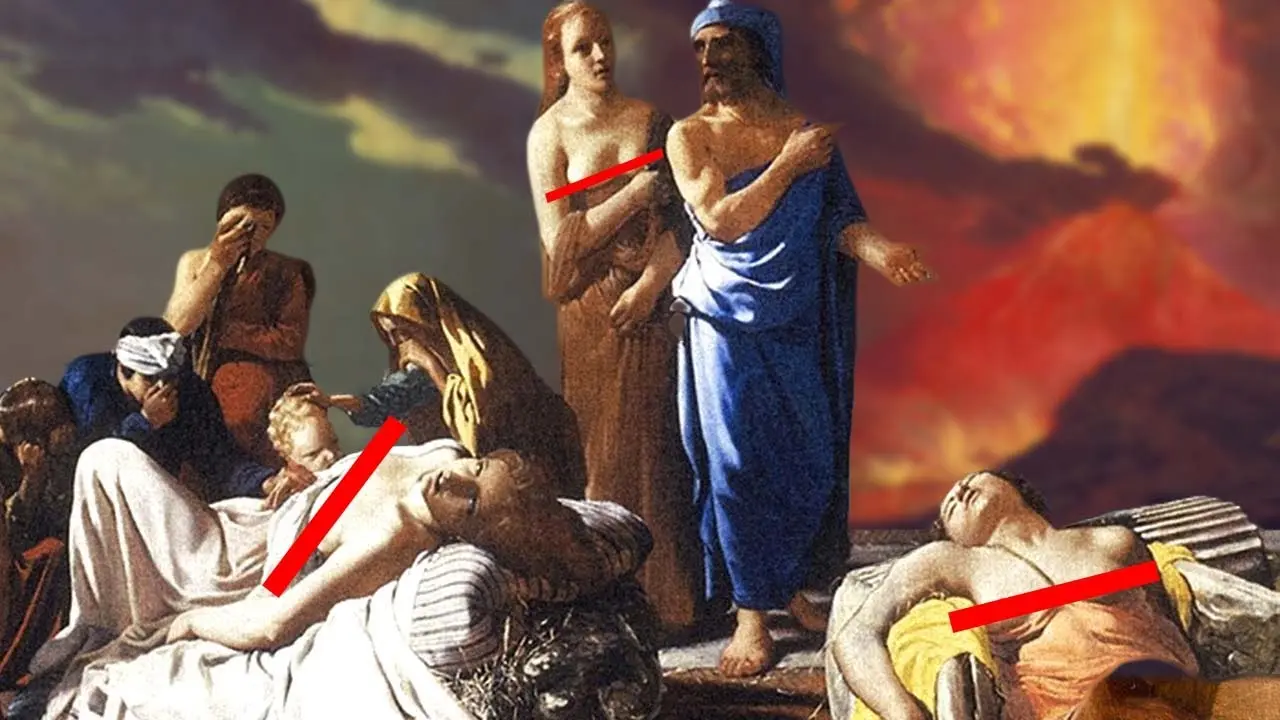
Historians and climate scientists increasingly point to 536 AD as the worst year to be alive. Not because of a single catastrophe, but because it marked the beginning of one of the most severe and prolonged periods of suffering in recorded history. What unfolded was a chain reaction of environmental collapse, famine, disease, and political chaos that reshaped Europe, the Middle East, and large parts of Asia for generations.
When The Sun Stopped Shining
In 536 AD, contemporary observers across Europe and Asia reported something deeply unsettling. The sun appeared dim, pale, and weak, as if permanently eclipsed. Byzantine historian Procopius wrote that the sun gave off “its light without brightness,” while Chinese chronicles described a persistent haze that obscured the sky.
Modern science has confirmed these accounts. Ice-core samples and tree-ring data show that a massive volcanic eruption injected enormous amounts of ash and sulfur into the atmosphere. This created a dense veil that severely reduced sunlight across the Northern Hemisphere for up to 18 months. Days were not dark in the literal sense, but sunlight was so diminished that normal seasonal rhythms collapsed.
A Sudden Climate Shock
The atmospheric veil triggered a sharp and sustained drop in temperatures. Scientists estimate that average summer temperatures in parts of Europe and Asia fell by 1.5 to 2.5 degrees Celsius, making the decade after 536 the coldest in more than two thousand years.
This abrupt cooling devastated agriculture. Crops failed repeatedly. Irrigation systems became unreliable. Grain shortages spread rapidly, leading to famine in regions that depended on stable harvests. For societies built around agricultural surplus, this was an existential shock.
Starvation and Social Breakdown
Food scarcity quickly translated into social stress. Historical sources from Ireland to the Middle East record famine, hunger, and population decline. Trade networks weakened as surplus disappeared, and cities that relied on imported food struggled to survive.
The crisis was not limited to Europe. Chinese records describe summer snowfalls and failed harvests, while Middle Eastern sources mention severe shortages. This was a hemispheric event, not a local disaster.
Disease in a Weakened World
The environmental collapse of the 530s set the stage for one of history’s deadliest pandemics. In 541 AD, the Plague of Justinian, caused by the bacterium Yersinia pestis, began spreading through the Mediterranean world.
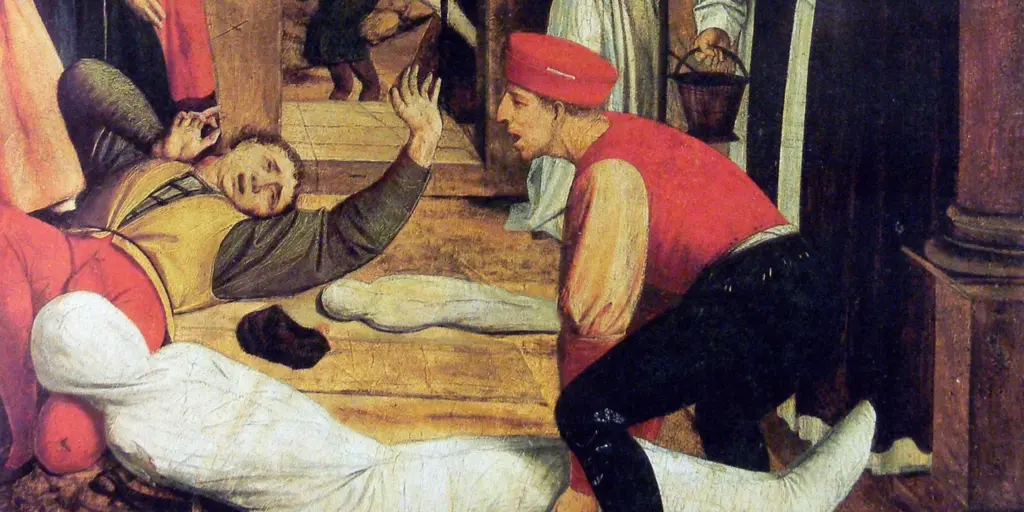
While the plague did not start in 536, the years of famine and malnutrition that followed the volcanic winter likely weakened populations, making societies more vulnerable to disease. The plague went on to kill an estimated 25 to 50 million people, devastating the Byzantine Empire and much of the Mediterranean basin. In some regions, up to half the population perished.
War Amid Catastrophe
As if environmental collapse and disease were not enough, the mid-sixth century was also marked by intense political instability. The Gothic War, fought between the Byzantine Empire and the Ostrogothic Kingdom from 535 to 554 AD, ravaged Italy. Cities were destroyed, infrastructure collapsed, and economic life in Western Europe suffered long-term damage.
These wars drained already scarce resources and accelerated the decline of urban life, especially in regions that had once been central to Roman trade networks.
The End of an Era
While historians today avoid the term “Dark Ages” in its older sense, many agree that 536 AD marked the beginning of a long downturn at the end of Late Antiquity. Economic contraction, population decline, reduced long-distance trade, and political fragmentation followed across much of Europe and the Mediterranean.
Intellectual and cultural life did not disappear, but the material foundations that supported large cities and complex economies weakened dramatically. The world that emerged after the sixth century was fundamentally different from the one that came before.
What 536 Showed Us
The story of 536 AD is a reminder that history can pivot on environmental shocks. A single volcanic event triggered climate change, famine, disease, and political instability on a global scale. For those living through it, there was no single disaster to point to, only a sense that the world itself had turned hostile.
That is why many historians argue that 536 AD was not just a bad year, but the beginning of the worst period to be alive in recorded history.

