





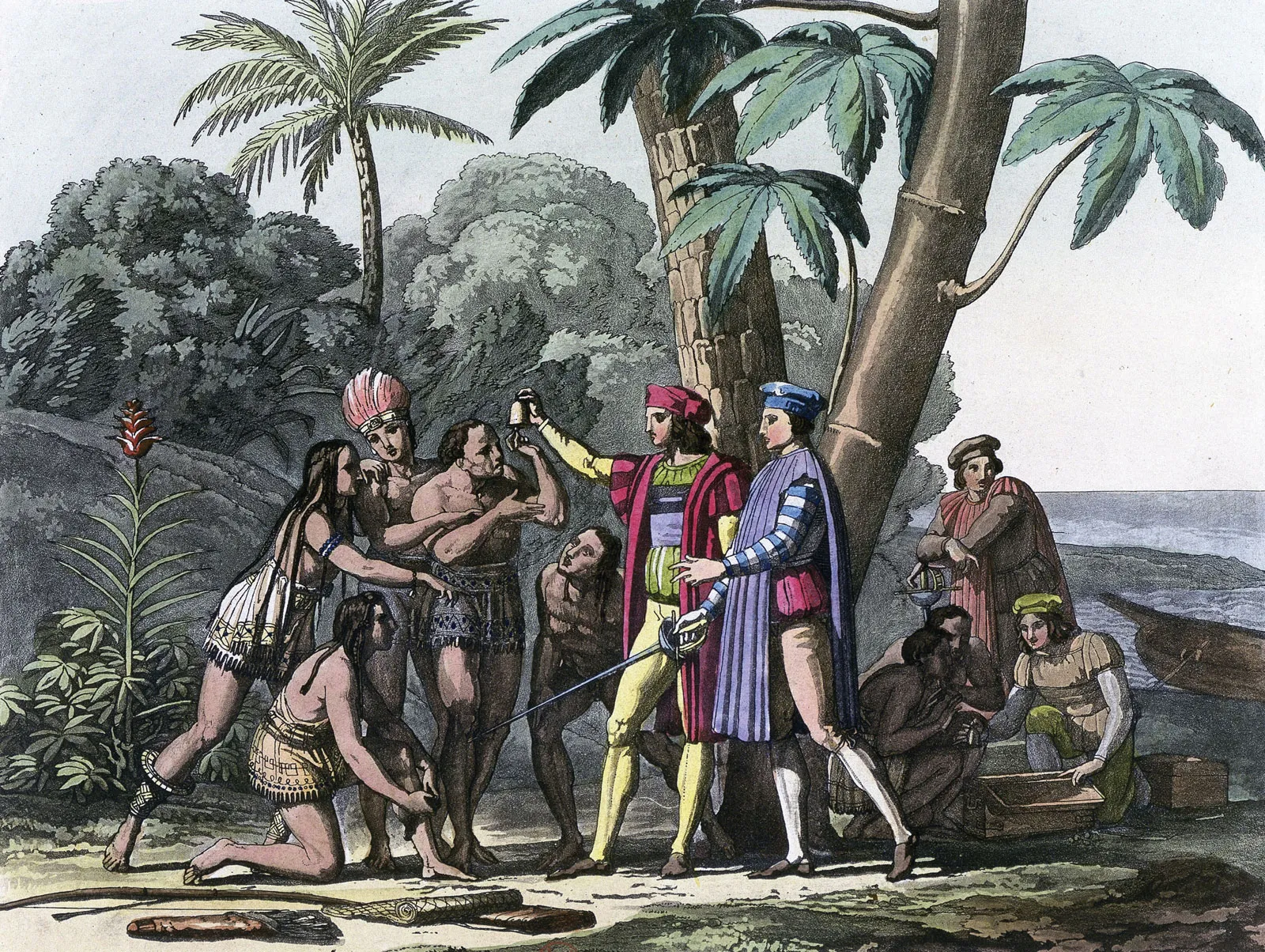
The Columbian Exchange refers to the large-scale transfer of plants, animals, people, and diseases between the Old World and the Americas after Christopher Columbus reached the Caribbean in 1492.
It did not happen instantly. It unfolded through exploration, conquest, and colonization, and within decades, it reshaped entire continents. What began as a series of voyages quickly turned into a permanent connection between previously isolated parts of the world.
How the Exchange Actually Began
Columbus’ arrival did not immediately create a global system. The first voyages were exploratory, but they were soon followed by repeated expeditions from Spain.
Spanish settlers established colonies in the Caribbean, then expanded into mainland regions, such as Mexico and Peru. This expansion brought sustained contact between Europeans and indigenous populations.
Ships began moving regularly across the Atlantic. These routes carried more than people and goods. They transported seeds, animals, and unintentionally, diseases.
Over time, this movement became continuous. The Atlantic Ocean, which had been a barrier, turned into a corridor connecting two biological systems.
Conquest and Expansion
The exchange accelerated with military conquest.
Spanish expeditions led by figures such as Hernán Cortés and Francisco Pizarro overthrew large empires, including the Aztec Empire and the Inca Empire.
These conquests were not only military events. They opened vast territories to European settlement and economic activity.
Colonial administrations were established, and land was reorganized for agriculture and resource extraction. This created the conditions for large-scale transfers of crops, livestock, and labor systems.
The exchange was therefore not just accidental. It was driven by expansion and control.
The Role of Disease
Disease spread as a direct consequence of contact.
European ships carried pathogens such as smallpox and measles. Once introduced, these diseases moved faster than European armies, often reaching regions before direct contact occurred.
Indigenous populations had no immunity. Mortality rates were extremely high, in some areas eliminating the majority of the population within a few generations.
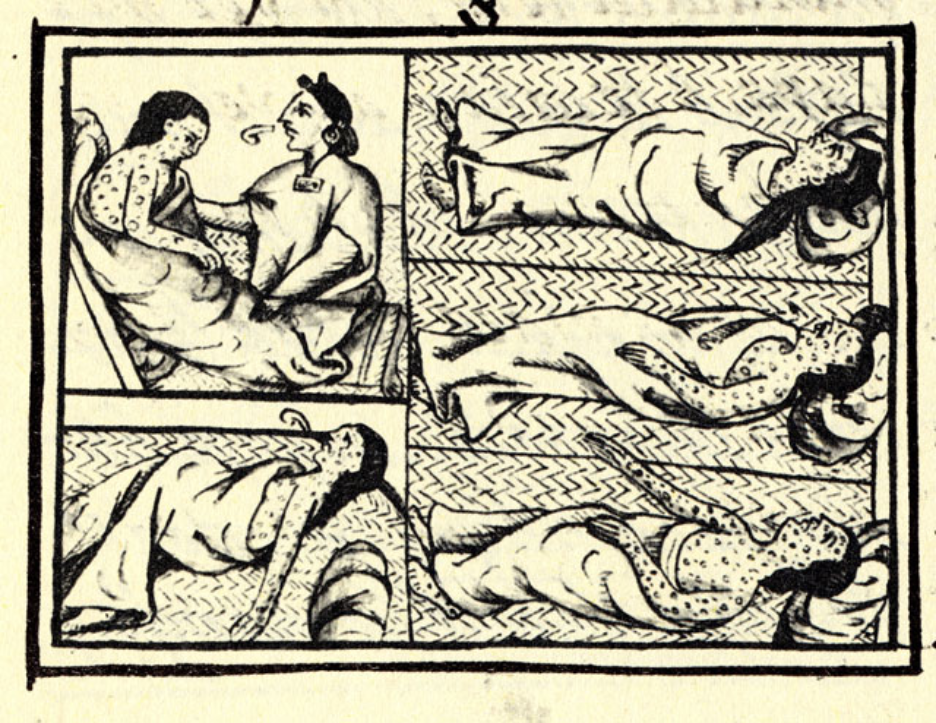
This demographic collapse weakened existing societies and made further conquest easier. It also created severe labor shortages in colonial economies.
To replace lost labor, Europeans expanded the transatlantic slave trade, bringing enslaved Africans to the Americas. This added another layer to the exchange, connecting three continents in a single system.
Movement of Crops and Animals
The transfer of crops and animals followed trade and settlement routes.
From the Americas, crops such as maize, potatoes, and tomatoes were transported to Europe and then spread further into Africa and Asia. Potato became particularly important in Europe due to its high nutritional value and adaptability.
In the opposite direction, Europeans introduced wheat, sugarcane, and coffee to the Americas, along with animals such as horses, cattle, and pigs.
These introductions changed how land was used. European livestock transformed landscapes, while plantation agriculture expanded rapidly, especially in the production of sugar and tobacco.
Food Security and Population Effects
The exchange had a direct impact on food availability.
In Europe, the introduction of calorie-dense crops such as potatoes supported population growth. In Africa and parts of Asia, maize became a major staple, improving agricultural output in certain regions.
However, the effect in the Americas was different. Indigenous agricultural systems were disrupted, and combined with population collapse, this reduced food stability in many areas.
The result was uneven. Some regions experienced improved food security and growth, while others faced decline.
A New Global System
By the sixteenth century, the Columbian Exchange had become a continuous process.
Trade routes connected Europe, Africa, and the Americas. Goods, people, and biological elements moved regularly between continents. Economic activity in one region began to influence conditions in another.
This marked the transition from regional economies to a more integrated global system.
Lasting Impact
The Columbian Exchange reshaped the world through three main mechanisms: sustained contact, biological transfer, and economic integration.
It created the first lasting links between previously isolated regions, introduced new food systems that supported population growth, and triggered one of the most significant demographic collapses in history.
Its effects were not temporary. They established patterns of trade, agriculture, and global interaction that continue to shape the modern world.
