






Business discussions are full of specialized terminology. Terms such as revenue, margin, or cash flow appear constantly in meetings, financial reports, and strategy discussions.
For experienced professionals, these concepts may seem obvious. For many others, however, they remain vague even though they are used daily.
Understanding a small set of core business terms can dramatically improve how people interpret financial performance, evaluate opportunities, and make decisions. The concepts below form the foundation of modern business analysis.
Revenue
Revenue refers to the total amount of money a company earns from selling its goods or services before any expenses are deducted.
If a company sells 10,000 products for 20 dollars each, its revenue is 200,000 dollars. Revenue reflects the scale of business activity but does not indicate profitability.
A company can generate very high revenue and still lose money if its costs exceed its income.
Profit Margin
Profit margin measures how much of a company’s revenue remains as profit after costs are deducted.
It is typically expressed as a percentage. For example, if a company earns 10 dollars in profit from 100 dollars in revenue, the profit margin is 10 percent.
Profit margins help investors and managers evaluate how efficiently a company converts sales into actual earnings.
Return on Investment (ROI)
Return on Investment measures how much profit is generated relative to the amount of money invested.
If a project requires an investment of 1 million dollars and later produces 1.3 million dollars in value, the ROI reflects the return earned on that initial capital.
Businesses rely on ROI to compare different projects and decide where to allocate resources.
Cash Flow
Cash flow refers to the actual movement of money in and out of a business.
A company may appear profitable on paper while still experiencing cash shortages if payments arrive late, or expenses occur earlier than expected.
Healthy cash flow ensures that a company can pay salaries, suppliers, and operating expenses without disruption.
Break Even Point
The break even point is the level of sales at which total revenue equals total costs.
At this point, a company neither makes a profit nor incurs a loss. Every sale beyond the break even level begins generating profit.
Businesses use this concept to determine how much they must sell before an operation becomes financially viable.
Equity
Equity represents ownership in a company.
If a business is worth 10 million dollars and owes 4 million dollars in debt, the remaining 6 million dollars represents equity held by the owners or shareholders.
Equity also reflects the portion of a company’s value that belongs to investors after liabilities are subtracted.
Market Share
Market share measures how much of a particular market a company controls relative to its competitors.
If a company sells 25 percent of all smartphones in a country, it holds a 25 percent market share.
High market share often indicates strong brand recognition, competitive advantages, or efficient distribution.
Scalability
Scalability refers to a business model’s ability to grow revenue without increasing costs at the same rate.
Digital platforms are classic examples. Once software is developed, millions of additional users can be served at relatively low additional cost.
Highly scalable businesses can expand rapidly while maintaining strong profit margins.
Customer Acquisition Cost (CAC)
Customer Acquisition Cost measures how much a company spends to gain a new customer.
This includes marketing expenses, advertising campaigns, and sales team costs.
Businesses monitor CAC closely because acquiring customers should ideally cost less than the long-term revenue those customers generate.
Customer Lifetime Value (LTV)
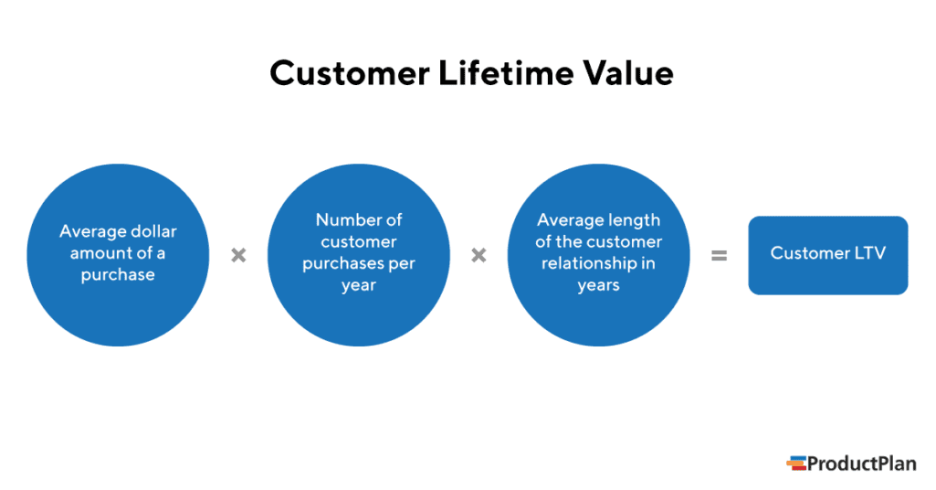
Customer Lifetime Value estimates the total revenue a company expects to earn from a customer over the entire duration of their relationship.
Companies compare LTV with Customer Acquisition Cost to determine whether their marketing efforts are sustainable.
If acquiring a customer costs more than the value they generate, the business model becomes difficult to sustain.
Operating Expenses
Operating expenses include the everyday costs required to run a business.
Examples include salaries, rent, utilities, marketing costs, and administrative expenses.
These expenses are separate from production costs and are necessary to maintain normal operations.
Gross Margin
Gross margin measures the percentage of revenue remaining after subtracting the cost of producing goods or services.
It focuses specifically on production efficiency.
Higher gross margins generally indicate stronger pricing power or lower production costs.
Burn Rate
Burn rate refers to the speed at which a company spends its available cash, particularly common in startups.
If a startup spends 500,000 dollars per month while generating little revenue, its burn rate is 500,000 dollars monthly.
Understanding burn rate helps investors estimate how long a company can operate before needing additional funding.
Valuation
Valuation represents the estimated market value of a company.
Public companies have valuations determined by their stock prices. Private companies are typically valued during investment rounds based on expected future growth.
Valuation plays a central role in mergers, acquisitions, and investment decisions.
Why These Terms Matter
Business decisions often depend on understanding the relationships between these concepts.
Revenue without profit margin reveals little about sustainability. Rapid growth without healthy cash flow can create financial stress. High market share without profitability may signal deeper problems.
By understanding these basic terms, professionals gain a clearer view of how companies operate, grow, and create value.
In business, clarity of language often leads to clarity of decision-making.

