





When a luxury product does not sell, it is not quietly discounted and moved to a clearance rack.
In many cases, it disappears.
Luxury brands operate under a different economic model than mass market retailers. For them, the greatest asset is not inventory. It is perceived as scarcity.
And scarcity must be protected.
The Core Principle: Price Is the Product
For luxury brands, price is not just revenue. It is positioning.
A Rolex, a Chanel handbag, or a Louis Vuitton trunk is valuable not only because of materials or craftsmanship, but because of exclusivity. Once heavy discounting begins, the illusion of rarity weakens.
Luxury demand is partly driven by what economists call Veblen effects. Higher prices increase desirability because they signal status.
If unsold products flood the market at lower prices, the brand itself depreciates.
From this perspective, destroying inventory can be rational.
Confirmed Cases
In 2017, Burberry disclosed that it had destroyed approximately £28.6 million worth of unsold goods in a single year. The company stated that this was done to prevent products from being sold at discounts or entering unauthorized channels.
Public backlash followed. The company later announced it would stop the practice.
In 2018, Richemont, the parent company of Cartier, confirmed that it had bought back hundreds of millions of euros worth of unsold watches from retailers over several years and dismantled them. The goal was to prevent excess supply from undermining pricing power.
These are not rumors. They were disclosed in corporate reporting.
Why Not Just Discount?
Mass retailers reduce prices to clear stock. Luxury brands cannot.
Discounting creates three risks:
First, it trains customers to wait for sales.
Second, it weakens resale value.
Third, it harms relationships with full-price customers.
A client who paid full price for a product does not want to see it discounted 40 percent months later.
The destruction of goods, while controversial, protects long-term brand equity.
The Apple Question
Apple is not a luxury fashion brand, but it operates under similar principles of brand control.
Apple has confirmed that some returned devices are dismantled and recycled rather than resold, especially when refurbishment is not economically viable. However, the widely circulated claim that Apple destroys exactly 50 million dollars of perfectly working products annually is not supported by consistent public documentation.
Apple also runs one of the largest electronics refurbishment and recycling programs in the world.
The reality is more complex than viral headlines suggest.
Fast Fashion Is Different
Fast fashion companies like H&M have faced criticism for destroying unsold clothing. However, the scale and daily destruction figures often quoted online are difficult to verify through official disclosures.
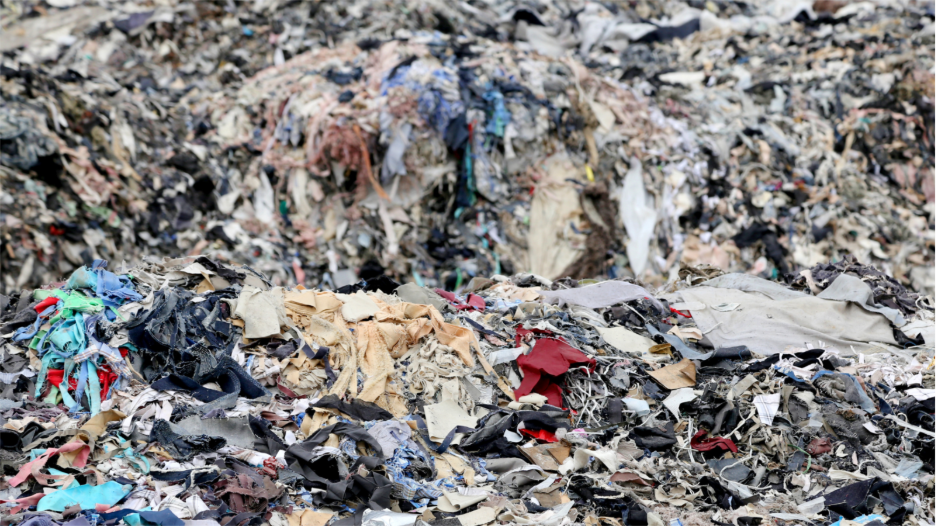
The economic logic differs slightly from luxury. In fast fashion, margins are thin and storage costs are high. When inventory becomes obsolete, destruction may be cheaper than redistribution.
The issue here is less about exclusivity and more about cost structure and logistics.
The Economics Behind Destruction
Destroying inventory seems irrational. But under certain conditions, it preserves value.
Luxury brands carefully control supply to maintain price integrity. If oversupply occurs, removing excess stock protects future pricing.
This is not new. In commodity markets, producers sometimes restrict supply to stabilize prices. The difference is that in luxury markets, perception itself is the scarce resource.
In this model, maintaining scarcity is more valuable than maximizing short-term sales volume.
The Ethical Debate
The practice raises obvious ethical questions. Destroying usable goods in a world of inequality creates moral discomfort.
In response, many brands have shifted strategies:
More precise production forecasting
Recycling materials into new collections
Donations under strict brand controls
Limited outlet channels
Public scrutiny has made open destruction less common than it was a decade ago.
The Real Story
The viral numbers circulating online are often inflated. But the underlying practice is real.
Luxury brands do eliminate unsold inventory. Not because the products lack quality. But because their business model depends on controlled scarcity.
In luxury markets, value is psychological as much as physical.
And sometimes, preserving that psychology costs millions.

