





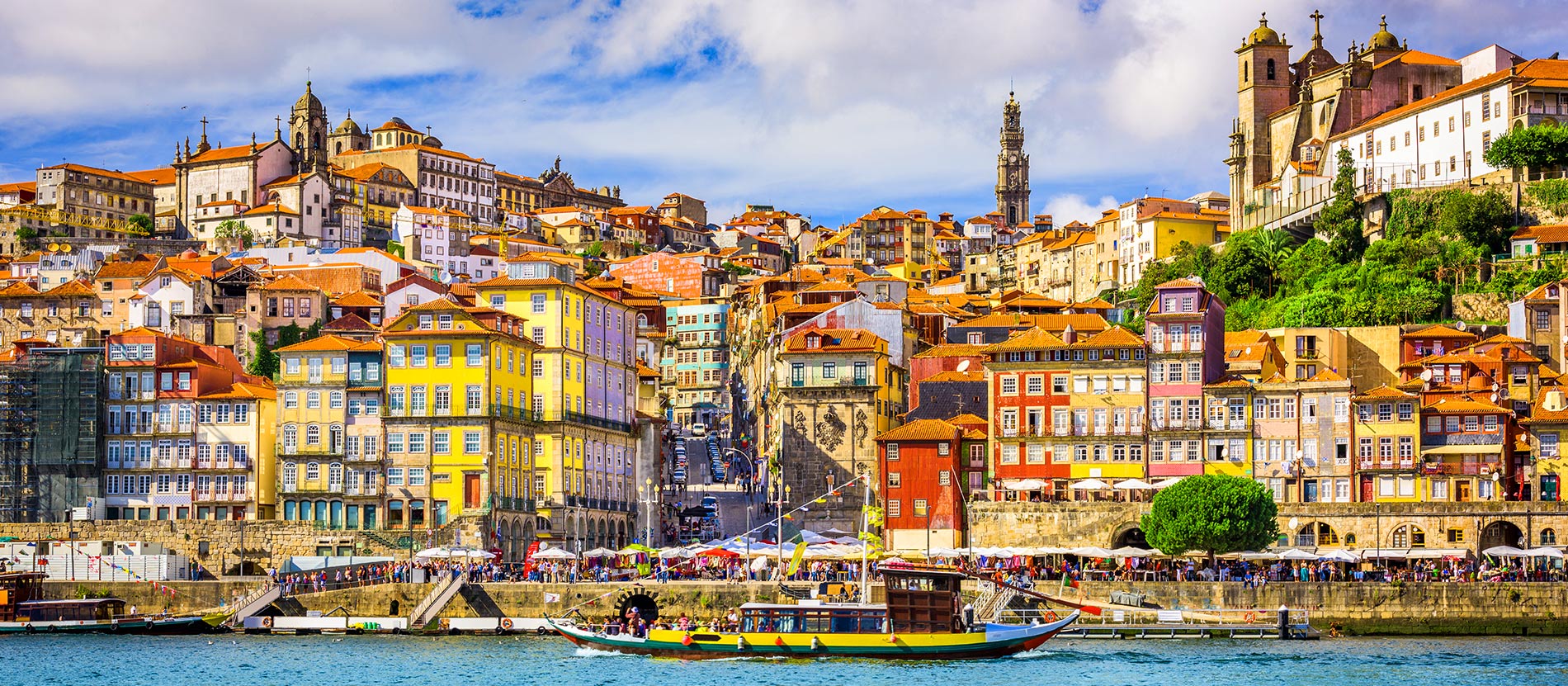
Portugal is often described as underrated. That description is no longer accurate. Over the past decade, it has become one of Europe’s most visited destinations.
Yet despite the tourism growth, Portugal still feels structured rather than chaotic. Compact rather than overwhelming. Diverse without being geographically extreme.
What makes it interesting is not just scenery. It is contrast.
Ocean and old towns. Surf culture and monasteries. Wine regions and modern architecture.
If you approach Portugal strategically, you can experience most of what defines it within one well-planned trip.
Lisbon: Light, Hills, and Controlled Chaos
Start in Lisbon.
Lisbon is not polished like Paris or Vienna. It is textured. Streets climb steep hills. Trams cut through narrow alleys. Buildings carry faded pastel colors rather than perfect facades.
What to prioritize:
- Alfama district for walking without agenda
- Belém Tower for maritime history
- A miradouro viewpoint at sunset
- Tram 28, once, early in the morning before crowds
Lisbon’s strength is atmosphere, not monuments. You do not rush Lisbon. You absorb it.
Two days is efficient. Three is comfortable.
Porto: Structured Beauty and Wine
Then move north to Porto.
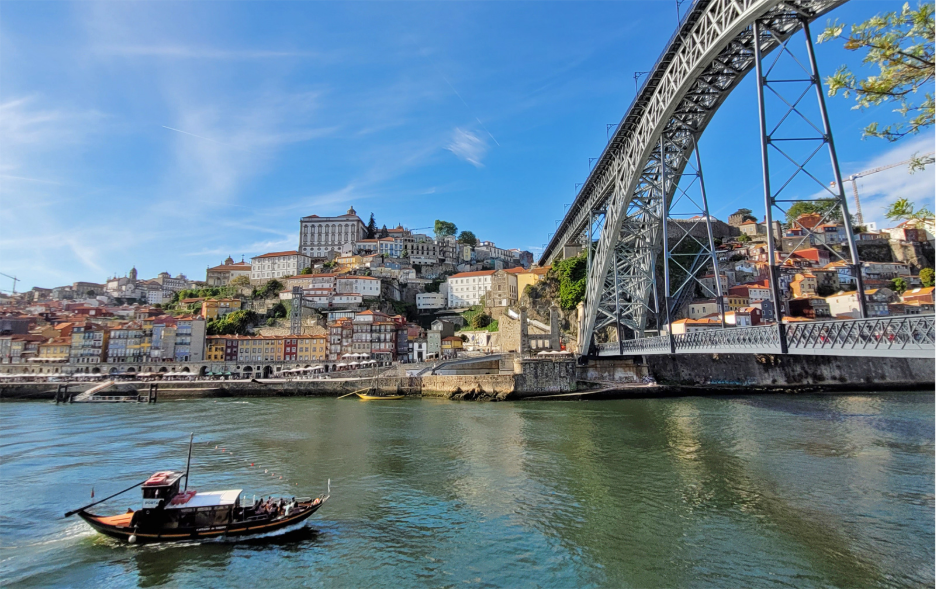
Porto feels more compact and visually cohesive. The Ribeira district along the river is postcard Portugal, but the city’s identity is tied to trade and wine.
What to do:
- Walk across the Dom Luís I Bridge at sunset
- Visit a port wine cellar in Vila Nova de Gaia
- Climb the Clérigos Tower for perspective
Porto is smaller than Lisbon, but it feels denser. Two days are enough to understand it.
Algarve: The Coast That Redefined European Beaches
If you go south, you reach the Algarve.
This is where Portugal becomes dramatic. Limestone cliffs drop into turquoise water. Sea caves carve into rock. Beaches are framed by vertical stone walls.
Key stops:
- Praia da Marinha
- Benagil Cave
- Ponta da Piedade near Lagos
The Algarve is highly developed for tourism, but outside peak summer months it remains manageable.
It is less about culture, more about landscape.
Sintra: Architecture and Imagination
Thirty minutes from Lisbon lies Sintra.
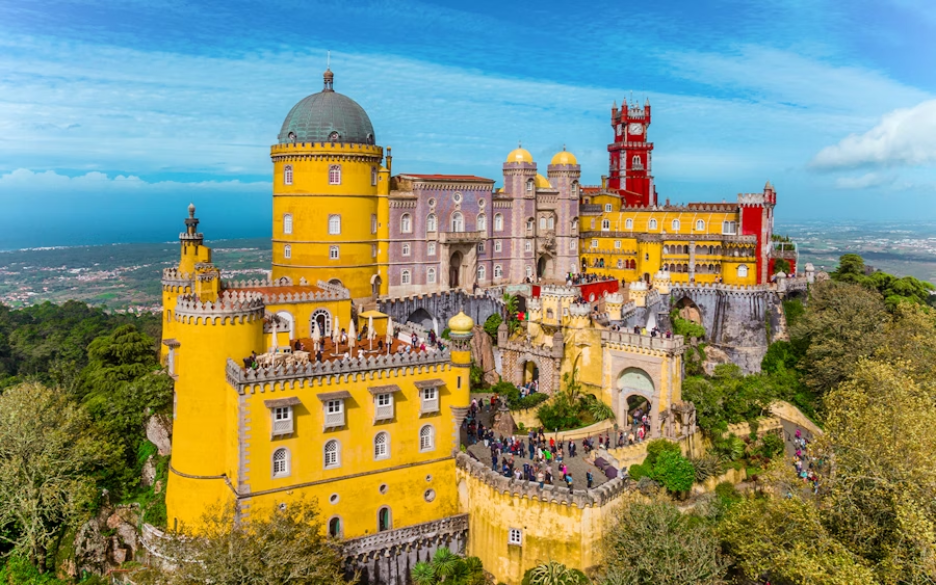
Sintra feels fictional. Palaces sit on forested hills, painted in exaggerated colors. Mist often rolls through the trees, giving the town an almost constructed atmosphere.
Visit:
- Pena Palace
- Quinta da Regaleira
- The Moorish Castle
Sintra is a day trip. Arrive early. It becomes crowded by midday.
The Douro Valley: Slow Portugal
Between Porto and Spain stretches the Douro Valley.
Terraced vineyards follow the river through steep hills. The pace slows noticeably. This is where port wine originates.
A river cruise or overnight stay in a wine estate changes the rhythm of the trip. It replaces sightseeing with immersion.
This is Portugal without urgency.
Food: Simplicity Over Complexity
Portuguese cuisine is not heavily layered. It is ingredient-driven.
Expect:
- Grilled fish
- Bacalhau prepared dozens of ways
- Pastel de nata with espresso
- Olive oil used generously
Seafood quality is consistently high. Meals are slower. Dinner rarely begins before eight.
Portugal is less about gastronomic experimentation and more about tradition executed well.
Practical Strategy
Portugal is geographically manageable. You can combine Lisbon, Porto, and the Algarve within one trip if you plan efficiently.
Best periods:
- Late spring
- Early autumn
Summer brings heat and heavy coastal crowds.
Transportation:
- Trains between Lisbon and Porto are efficient
- A car is useful for Algarve and Douro exploration
English is widely spoken. Safety levels are high by European standards.
Why Portugal Feels Different
Portugal’s advantage is balance.
It offers coastline without tropical distance. History without overwhelming scale. Cities without aggressive intensity.
It feels layered but not heavy.
For travelers who want variety within a small radius, Portugal delivers more than its size suggests.
It is not dramatic like Iceland. Not monumental like Italy. Not fast like Spain.
It is controlled, coastal, and culturally intact.
And that is precisely why it works.

