





Cash is not disappearing from Europe. But from 2027, the way it can be used for large purchases will change significantly.
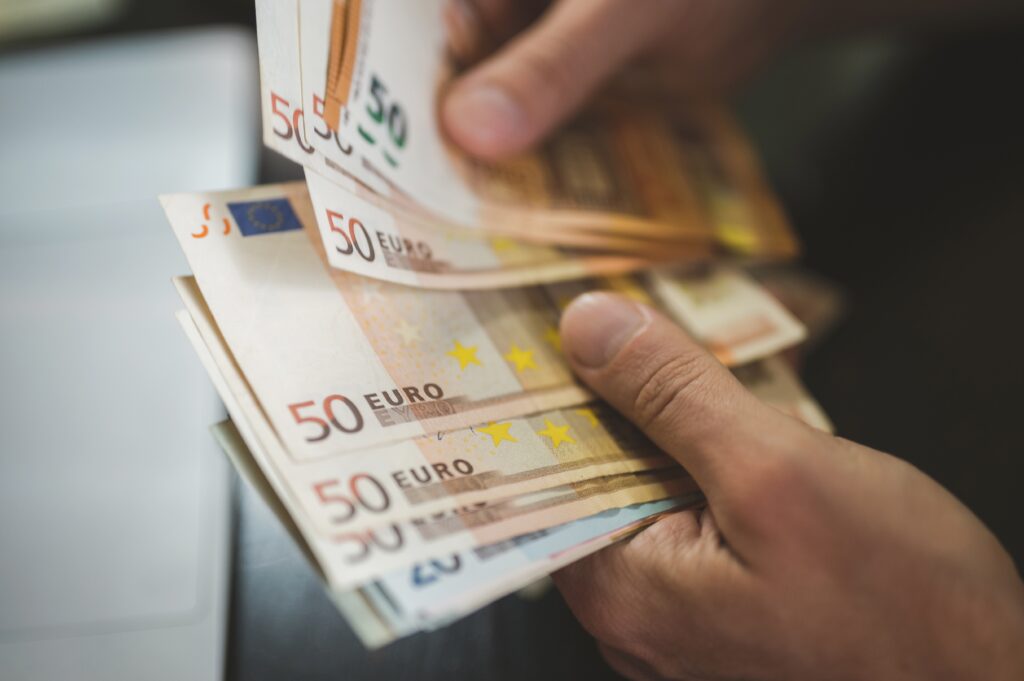
Under new European Union rules, businesses across the EU will no longer be allowed to accept cash payments above €10,000, roughly £8,500. In addition, cash payments above €3,000, around £2,600, will require customer identification checks. The measures are part of a broader EU effort to strengthen anti-money laundering controls and reduce large anonymous transactions in the formal economy.
For most everyday purchases, nothing will change. But for high-value transactions, cash is about to lose the anonymity that has long made it attractive.
What Is Actually Being Introduced
From 2027, any purchase from a business exceeding €10,000 will have to be paid using traceable methods such as bank transfers or cards. Paying in cash above that threshold will no longer be permitted, even if the payment is split into multiple smaller installments linked to the same transaction.
For cash payments between €3,000 and €10,000, businesses will still be able to accept cash, but only after verifying the customer’s identity. This means collecting basic identification details in a similar way to existing customer due diligence rules used by banks.
The rules apply to transactions with businesses and so-called obliged entities, including retailers, car dealers, jewelers, and sellers of high-value goods. Private person-to-person transactions remain outside the scope of the new limits.
Cash Is Not Being Banned
Despite frequent headlines suggesting otherwise, the EU is not banning cash.
Small purchases, daily transactions, and private sales between individuals remain unaffected. Cash will continue to be legal tender, and member states retain flexibility in how cash is used for wages or benefits under national rules.
What is changing is the ability to make large, anonymous cash purchases from businesses. That category of transaction is being deliberately narrowed.
Why the EU Is Targeting Cash Payments
The EU’s rationale is straightforward. Large cash transactions are difficult to trace and have long been identified as a weak point in efforts to combat money laundering, tax evasion, and organized crime.
At present, cash payment rules vary widely across the EU. Some countries already impose strict cash limits, while others allow unlimited cash payments. This patchwork has made it easier for illicit funds to move across borders by exploiting regulatory gaps.
By introducing a uniform cap, EU institutions aim to close those gaps and reduce opportunities for laundering money through high-value retail purchases, such as luxury vehicles, watches, jewelry, or art.
Identification Requirements and Transparency
The requirement to check customer identity for cash payments above €3,000 is a key part of the reform.
Banks and financial institutions have been subject to customer identification rules for decades. Cash transactions in the retail economy, however, have often escaped similar scrutiny. The new framework brings these two worlds closer together.
Under the new rules, businesses accepting larger cash payments will need to verify customer identity and retain records. This creates a basic audit trail without eliminating cash use altogether.
EU policymakers have emphasized that the goal is not to discourage cash as a payment method, but to ensure that large transactions meet minimum transparency standards.
Who Will Feel the Impact Most
For most consumers, the changes will be largely invisible. Grocery shopping, dining out, and routine purchases remain unaffected.
The impact will be felt primarily in high-value purchases. Buying a car, expensive electronics, or luxury goods in cash will either require identification or become impossible above the €10,000 threshold.
For businesses, the rules introduce new compliance obligations. Staff will need training, procedures will need updating, and identity checks will become part of the sales process for larger transactions.
When the Rules Take Effect
The measures are scheduled to come into force in 2027, giving member states time to update national legislation and enforcement frameworks. While the EU sets the minimum standard, countries that already apply stricter cash limits may keep them.
National authorities will be responsible for enforcement, including inspections and penalties for non-compliance.
A Structural Shift for High Value Cash Use
Once implemented, the new rules will mark a clear shift in how cash is used in Europe. Large anonymous cash transactions with businesses will largely disappear, replaced by traceable payments or cash transactions tied to verified identities.
Cash will remain part of the European economy, but its role in high-value purchases is being deliberately reduced. The EU’s message is not that cash is unwelcome, but that anonymity at scale is no longer compatible with modern financial oversight.

