





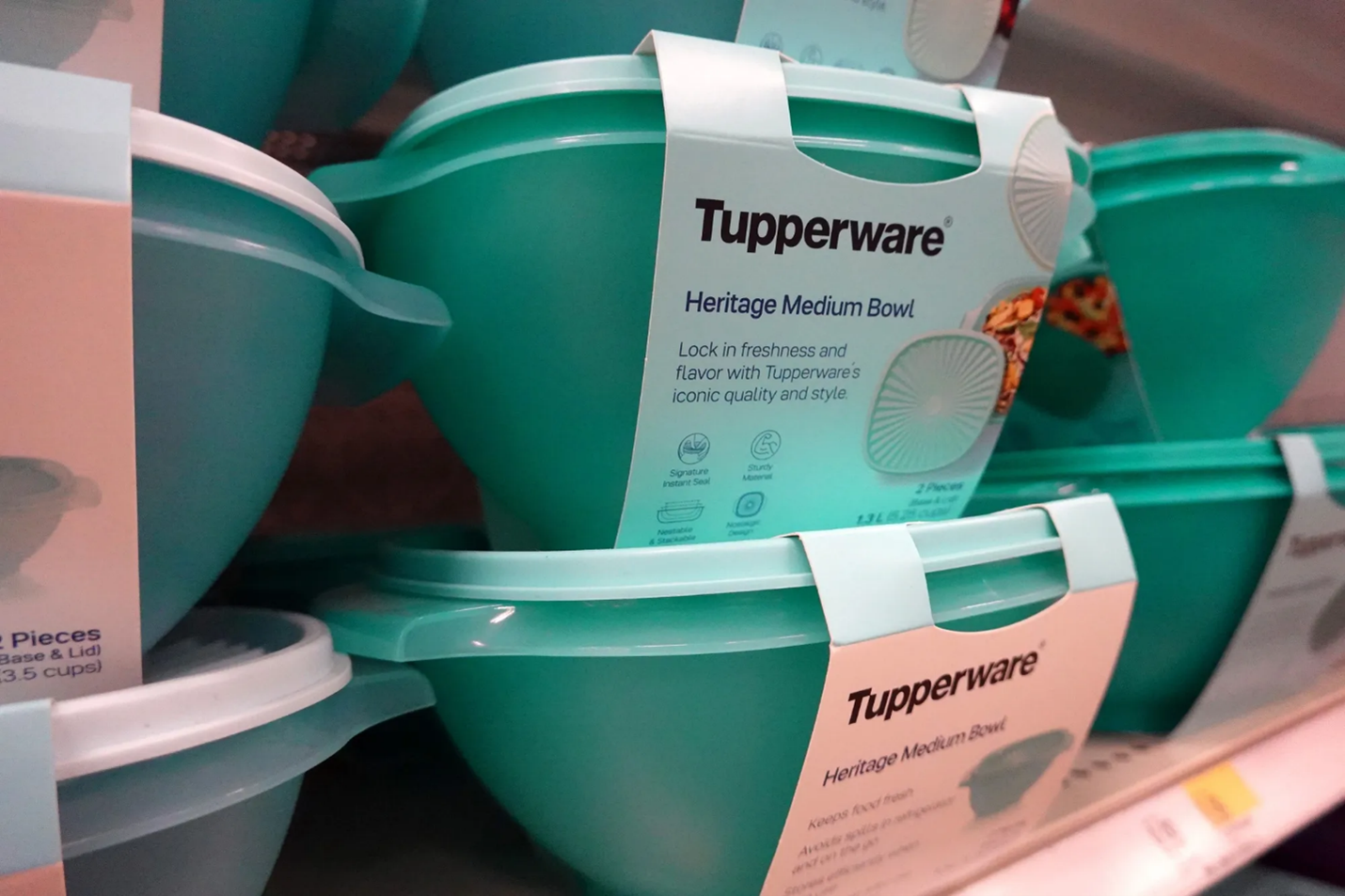
Tupperware was founded in the late 1940s and quickly became one of the most recognizable consumer brands of the twentieth century. Its early success rested on two innovations. The first was a practical one: durable, air-tight plastic containers that solved everyday food storage problems at a time when refrigeration was spreading rapidly in households. The second was commercial: a direct sales model built around social gatherings known as Tupperware parties.
This combination allowed the brand to scale rapidly. Products were demonstrated in person, trust was built through peer networks, and the sales force consisted largely of women earning independent income in an era when formal employment opportunities were limited. For decades, this model created strong margins, loyal customers, and global reach.
Why The Party Model Worked Then
The party-based marketing strategy was wel-suited to its time. Retail distribution for household goods was limited, advertising channels were expensive, and consumers valued personal recommendations. Tupperware parties turned sales into social events, typically hosted in private homes where a local distributor invited friends and neighbors to gather, watch live product demonstrations, and place orders in a relaxed, informal setting. Demonstrations showed product quality directly, objections could be addressed in real time, and purchases were often driven by social obligation as much as utility.
Importantly, the model aligned with the product itself. Tupperware needed explanation. Its seals, durability, and storage benefits were best understood by seeing and touching the product. In the mid-twentieth century, this created a powerful competitive advantage.
Why The Same Model Stopped Working
Over time, the conditions that made the party model effective disappeared. Shopping moved online. Consumers became accustomed to instant price comparison, fast delivery, and visual marketing through digital platforms. Social selling did not disappear, but it shifted toward influencers and scalable content rather than in person gatherings.
Tupperware struggled to adapt this transition. Its sales model remained labor intensive, geographically fragmented, and difficult to digitize. Recruiting and retaining sellers became harder, especially as younger generations showed less interest in hosting or attending home sales events. The model that once reduced marketing costs became a structural weakness.
Durability And Replacement Frequency
Product longevity played a secondary but important role. Tupperware containers were designed to last for decades, and many did. This reduced replacement frequency dramatically. Once a household owned a complete set, future demand was limited.
In earlier decades, this was offset by population growth, new household formation, and geographic expansion. Over time, however, mature markets became saturated. Unlike technology or fashion products, Tupperware did not offer frequent upgrades or new functional reasons to repurchase. The company relied heavily on acquiring new customers rather than increasing lifetime value from existing ones.
Durability did not cause bankruptcy, but it amplified the consequences of stagnation in distribution and innovation.
Competitive Pressure and Financial Strain
As mass retailers and online platforms introduced cheaper food storage alternatives, Tupperware lost its pricing power. Competitors offered visually similar products at lower prices, often bundled with convenience and modern branding. Meanwhile, production and logistics costs rose, squeezing margins.

To bridge declining sales, the company relied increasingly on debt. Financial pressure limited its ability to invest in digital transformation, product diversification, and brand repositioning. By the time restructuring became unavoidable, the balance sheet left little room for recovery.
Business Lessons
The collapse of Tupperware offers several lessons.
First, distribution models age faster than products. Tupperware focused on product quality but underestimated how quickly consumer purchasing behavior would change. A durable product still requires a distribution system that evolves continuously.
Second, durability must be paired with a lifecycle strategy. Selling products that rarely need replacement requires either continuous market expansion or complementary offerings. Tupperware failed to build a robust ecosystem around its core products.
Third, social selling must scale digitally, or it stalls. The company relied on personal networks but did not successfully translate that trust into modern digital communities or platforms.
Finally, brand heritage can become inertia. What once differentiated Tupperware became a constraint. Loyalty to a legacy model delayed adaptation, turning past success into future risk.
A Brand That Outlasted Its Model
Tupperware did not fail because its products were too good. It failed because the system that once sold those products no longer matched how people shop, communicate, and form brand relationships. Durability extended the life of the product, but it shortened the margin for strategic error.
The bankruptcy marks not the end of a useful product but the end of a business model that did not evolve fast enough to survive its own success.

