






Family-owned organizations operate under conditions that differ fundamentally from those of widely held corporations. Leadership is shaped not only by commercial objectives, but also by family relationships, shared history, and long-term continuity. As a result, the leadership styles that work best in these firms tend to reflect a balance between economic performance and interpersonal responsibility.
Understanding how leadership functions in family businesses helps explain why some firms thrive across generations while others struggle with conflict or stagnation.
Why Leadership Works Differently in Family Firms
In family-owned organizations, leaders often manage overlapping roles. They may be executives, owners, parents, or siblings at the same time. Decision-making, therefore, extends beyond formal authority and includes emotional ties, trust, and informal influence.
Because of this dual structure, leadership is rarely effective when it relies solely on rigid hierarchy or short-term incentives. Instead, successful family firms tend to adopt leadership approaches that acknowledge both business needs and family dynamics.
Transformational Leadership and Shared Vision
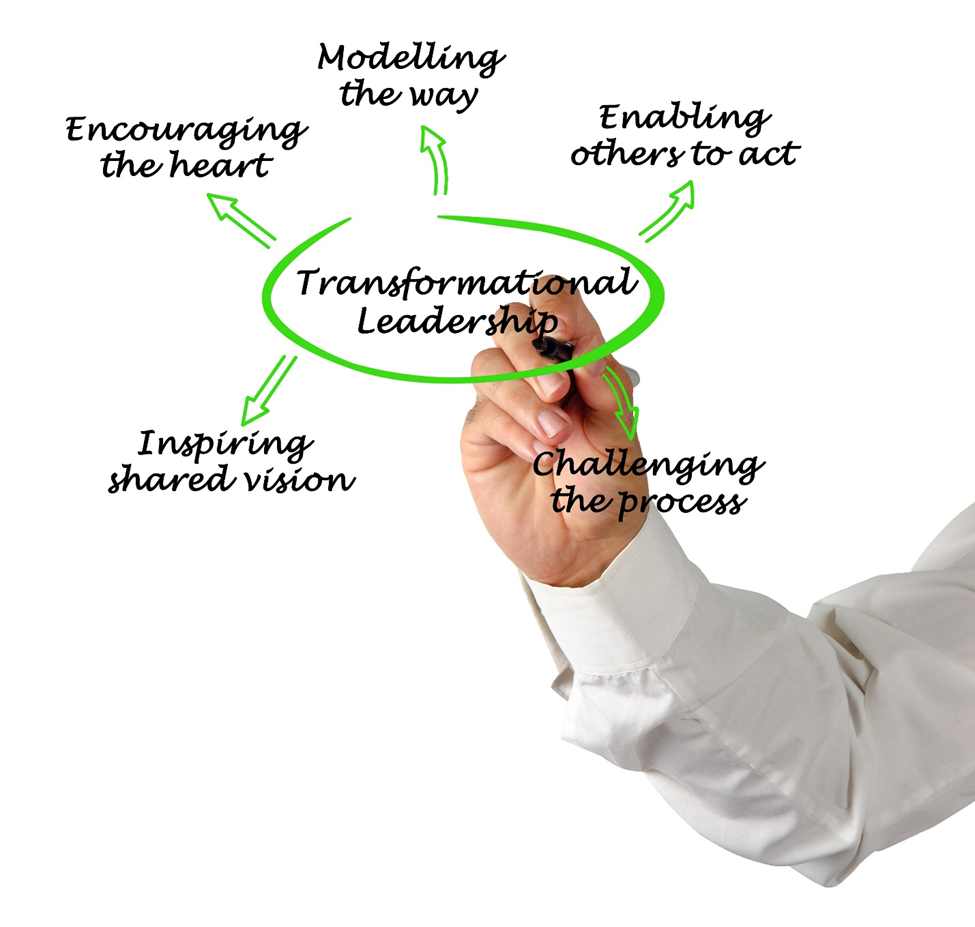
Transformational leadership plays a particularly important role in family businesses because these organizations often prioritize continuity and legacy over short-term performance. When leaders clearly communicate a long-term vision, they help translate abstract family values such as responsibility, reputation, and independence into concrete business goals. This creates a sense of purpose that goes beyond financial results and gives both family members and employees a reason to stay committed over time.
This leadership style becomes especially valuable during periods of transition, including generational handovers or moments of strategic change. In these situations, uncertainty and emotional tension are common. Transformational leaders address this by framing change as part of a shared future rather than a break with the past. By inspiring participation and emphasizing common goals, they reduce resistance and build alignment without relying solely on formal authority or control.
Stewardship Leadership and Long-Term Responsibility
Many family-owned organizations tend to adopt a stewardship-oriented approach to leadership because ownership and responsibility are closely linked. Leaders in this model see themselves not simply as decision makers, but as custodians of the business, responsible for protecting its long-term health and reputation. Rather than focusing on short-term profit or rapid expansion, decisions are shaped by considerations such as sustainability, employee well-being, and the ability to transfer the firm to the next generation in a stable condition.
This leadership approach often strengthens trust within the organization. Employees are more likely to show loyalty and long-term commitment when they believe leaders are acting in the collective interest rather than personal gain. Stewardship leadership also supports patient investment and resilience, allowing family firms to weather economic cycles and external shocks more effectively than organizations driven by short-term performance targets.

Participative Leadership and Inclusion
Participative leadership becomes increasingly important as family businesses expand and involve a wider circle of family members across generations. As ownership and management structures grow more complex, concentrating decision-making in the hands of a few individuals can intensify misunderstandings and unresolved tensions. By encouraging open dialogue, sharing responsibility, and actively listening to different viewpoints, participative leaders create channels through which disagreements can be addressed before they turn into lasting conflict.
This inclusive approach also plays a key role in supporting innovation. Younger family members often bring new skills, technological awareness, and alternative ways of thinking shaped by different experiences. Participative leadership allows these contributions to be incorporated into the business while still respecting established authority and long-standing traditions. In this way, inclusion strengthens continuity rather than undermining it.
The Role of Authority in Early Stages and Crisis
Although collaborative styles are often emphasized, authoritative leadership still has a place in family-owned organizations. Founders frequently rely on strong personal authority to establish direction, discipline, and culture during the early stages of a firm’s life.
Decisive leadership can also be critical during crises, when clarity and speed matter more than consensus. Problems arise when authoritative control remains dominant for too long and fails to adapt as the organization grows.
Adapting Leadership Across Generations
No single leadership style is sufficient for every stage of a family business. Early phases may require clear authority, while later stages benefit from participative and stewardship-based approaches. Effective leaders adjust how they lead as ownership structures evolve and responsibilities shift.
Firms that fail to adapt leadership styles often experience generational conflict or loss of strategic focus. Those that evolve are more likely to maintain cohesion and competitiveness over time.
Why Leadership Style Influences Performance
Leadership in family firms affects more than internal harmony. It influences employee commitment, willingness to innovate, and the firm’s ability to survive external shocks. When leadership aligns with both family values and organizational needs, the business gains stability without becoming rigid.
Strong leadership does not eliminate tension in family organizations, but it channels it productively.
A Practical Perspective
Leadership in family-owned organizations is not about choosing a single ideal model. It is about reading context, understanding relationships, and knowing when to emphasize vision, responsibility, inclusion, or authority.
Family firms that recognize leadership as an evolving practice rather than a fixed role are better positioned to grow, adapt, and endure.

