





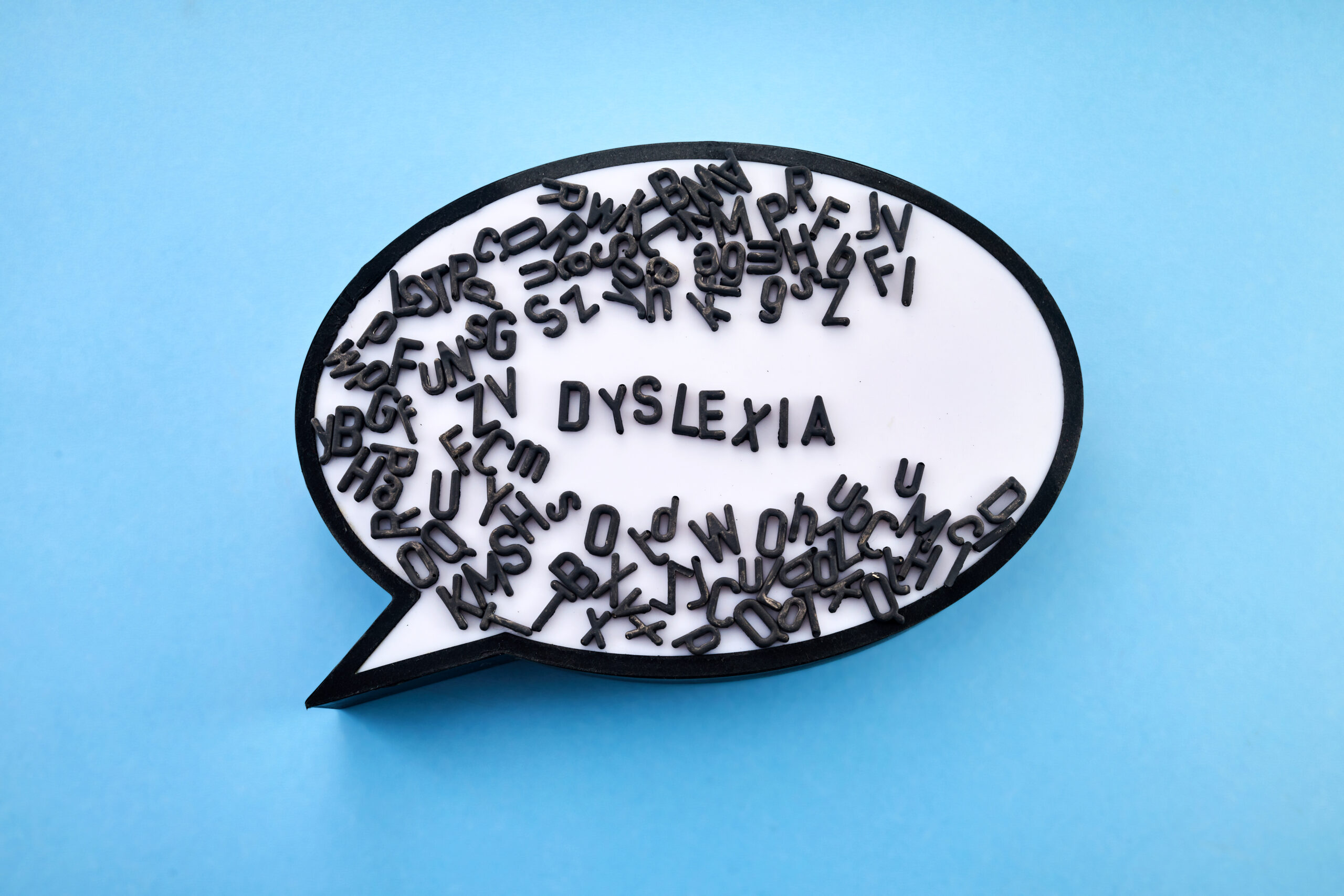
Dyslexia is a learning difference that primarily affects how people read, write, and process language. It is not a sign of low intelligence, poor effort, or lack of education. Dyslexia is a neurological condition, meaning it is linked to how the brain processes written and spoken language.
People with dyslexia often have difficulty recognizing written words quickly, spelling accurately, or matching letters to sounds. These challenges can make reading slower and more demanding, especially in traditional education systems that rely heavily on text-based learning.
How Dyslexia Affects Daily Life
The effects of dyslexia vary widely from person to person. Some individuals struggle mainly with reading speed, while others face challenges with spelling, writing, or remembering sequences such as dates or instructions. These difficulties can affect school performance, workplace tasks, and self-confidence, particularly when dyslexia is misunderstood or unsupported.
Importantly, dyslexia does not affect general intelligence. Many dyslexic individuals think in visual, spatial, or conceptual ways rather than linear text-based patterns. This difference can make standard exams or paperwork more difficult, even while other cognitive strengths remain strong or above average.
Strengths Often Linked to Dyslexia
While dyslexia presents challenges, research and experience show that many dyslexic individuals develop strong skills in areas such as problem-solving, creativity, pattern recognition, and big-picture thinking. Because reading and writing require more effort, dyslexic people often rely on alternative strategies that encourage flexibility and innovation.
These strengths are not automatic, nor do they cancel out the difficulties. However, when dyslexia is recognized and supported, individuals can build careers that make use of their natural abilities rather than being limited by traditional academic measures.
Dyslexia In Education and Work
In educational settings, dyslexia can lead to underperformance if students are judged primarily on reading speed or written accuracy. Without appropriate support, dyslexic students may be misidentified as lazy or disengaged, which can have long-lasting effects on confidence and motivation.

In the workplace, dyslexia may affect tasks such as report writing, email communication, or reading large volumes of text under time pressure. At the same time, many roles value strategic thinking, leadership, creativity, and decision making, areas where dyslexic individuals often perform strongly. Awareness and reasonable adjustments can significantly reduce barriers.
Well-Known People with Dyslexia
Many highly successful individuals have spoken openly about having dyslexia, helping to challenge misconceptions about the condition.
Richard Branson, founder of the Virgin Group, has frequently described how dyslexia made school difficult but encouraged him to delegate, think creatively, and focus on people rather than paperwork.
Steven Spielberg was diagnosed with dyslexia later in life. He has said that difficulties with reading contributed to feelings of isolation at school, while his strong visual imagination played a key role in his filmmaking career.
Keira Knightley has spoken about being diagnosed with dyslexia as a child and how acting and reading scripts with support helped her build confidence.
Jamie Oliver has described dyslexia as a major challenge during his school years, particularly with reading and writing, while shaping his hands on, practical approach to cooking and communication.
These examples do not suggest that dyslexia guarantees success. Rather, they show that dyslexia does not prevent achievement when individuals find environments that support their way of thinking.
Why Awareness Matters
Dyslexia affects a significant portion of the population and often goes undiagnosed. Greater awareness helps reduce stigma and encourages early support, which can make a substantial difference in education and employment outcomes.
Understanding dyslexia as a difference in information processing rather than a deficit allows institutions and workplaces to focus on inclusion, adaptability, and talent development. When barriers are reduced, individuals with dyslexia are better able to contribute their skills fully.

