





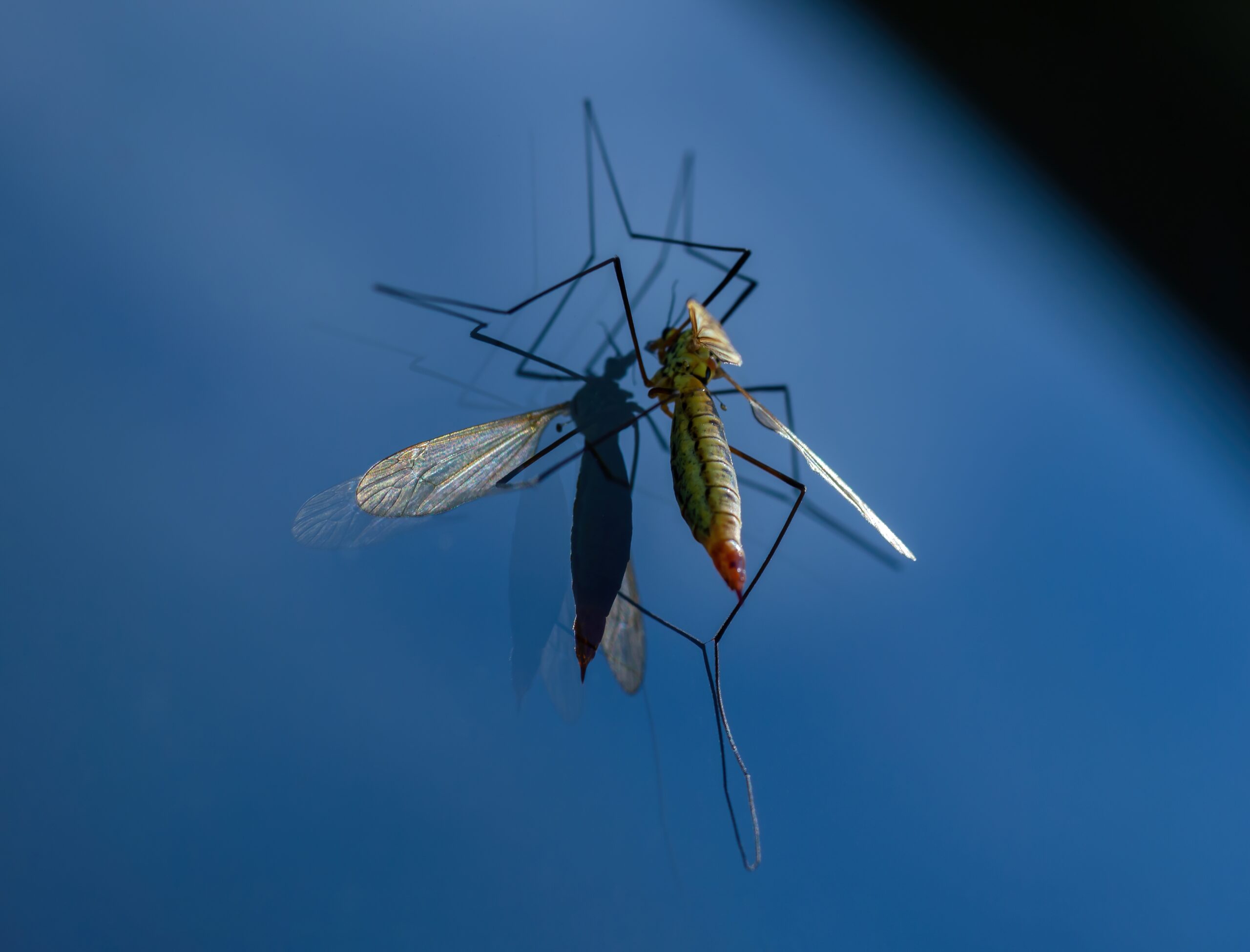
Mosquito presence has been recorded in Iceland for the first time, marking a historic shift for an island long known for the absence of the insect. With this finding, Antarctica now remains the only place on Earth where mosquitoes have not been documented. The discovery has been confirmed by specialists and acknowledged by Icelandic authorities.
Details Of the Finding
Researchers identified three mosquitoes, consisting of two females and one male, during routine monitoring activities. The specimens were subsequently examined and verified by experts. While the exact route of arrival has not been determined, authorities consider accidental transport through air travel, cargo shipments, or imported goods to be the most likely explanation.
No Evidence of Settlement Yet
Officials have emphasized that the presence of these mosquitoes does not indicate that the species has established itself in Iceland. There is currently no evidence of breeding activity, larvae, or a stable population. Authorities have stated that at least one year of continued observation will be necessary to determine whether the insects are capable of surviving and reproducing under local conditions.
Why Iceland Has Historically Been Mosquito-Free
Iceland’s environment has traditionally prevented mosquitoes from completing their life cycle. Frequent freeze thaw cycles interrupt larval development, while strong winds and unstable standing water limit survival. Even during summer months, water bodies rarely remain stable long enough to support successful reproduction, creating natural barriers to mosquito settlement.
Recent Climate Conditions
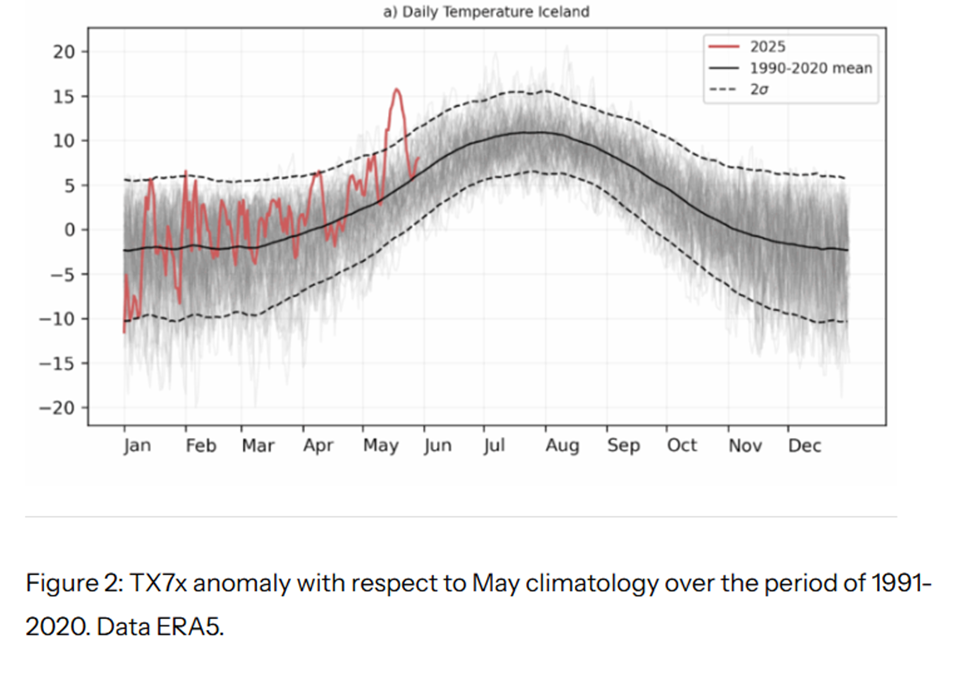
Climate observations show that Iceland is experiencing measurable changes. In May, the country recorded its hottest day ever observed for that month, reflecting a pattern of rising temperatures and longer warm periods. While isolated weather events do not define long-term trends on their own, they form part of a broader climatic shift being closely monitored by scientists.
Role Of Climate Change
Researchers are examining climate change as a potential factor in the discovery. Warmer average temperatures, extended summers, and altered precipitation patterns can increase the likelihood that mosquitoes survive long enough to reproduce. Similar northward shifts in insect populations have already been documented in other regions as global temperatures continue to rise.
Ecological Baseline Disruption
The discovery is significant for Iceland because the country has historically served as a natural reference case in ecological and climate research. Its absence of mosquitoes allowed scientists to study freshwater systems, insect populations, and bird behavior without the presence of a species that dominates similar ecosystems elsewhere. The appearance of mosquitoes introduces a new variable into environments that have long developed without it.
Implications For Bird Populations
Iceland’s bird species may be among the first to be affected if mosquitoes persist. Both migratory and resident birds rely heavily on insects during breeding seasons. The introduction of mosquitoes could alter feeding patterns, breeding timing, and insect competition dynamics, even if mosquito numbers remain limited.
Cultural And Daily Life Context
Iceland’s mosquito-free environment has shaped public expectations and daily experience for residents and visitors alike. The presence of mosquitoes, even in small numbers, represents a departure from long-established environmental norms. This change is being closely documented by researchers as part of long-term ecological observation.
Next Steps and Monitoring
Authorities have stated that there is no immediate cause for concern and that no mosquito-borne diseases have been detected. No additional control measures have been announced beyond ongoing monitoring and research. Further surveys are planned over the next year to determine whether the mosquitoes were isolated arrivals or the early signs of a longer-term ecological change.

