





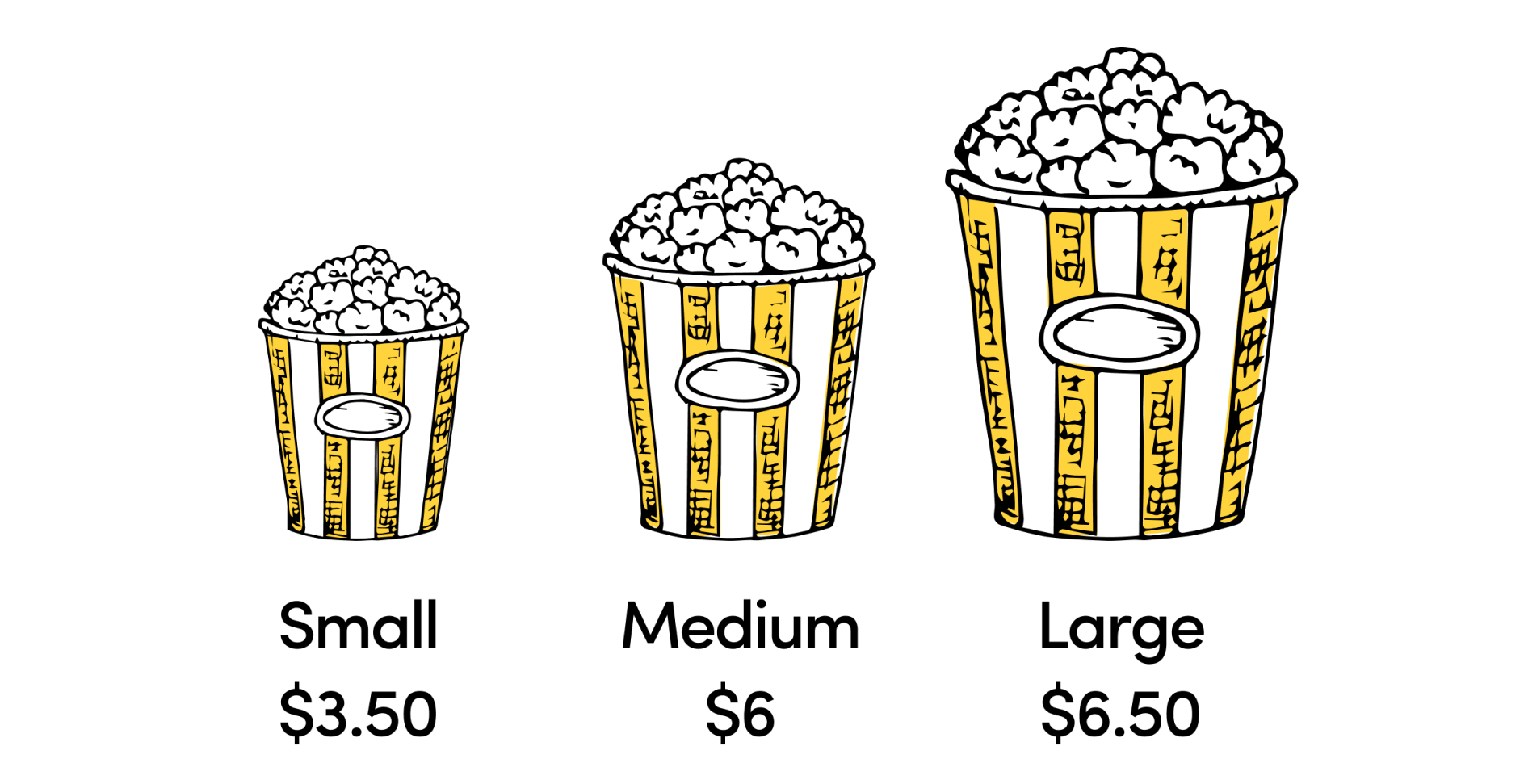
Most decisions feel deliberate. We compare options, consider prices, and choose what seems best. Yet behavioral economics shows that many choices are shaped by context rather than pure logic. One of the clearest examples of this is the decoy effect, a psychological phenomenon in which an extra option changes our preference between two existing ones, even if we never choose that extra option.
The decoy effect explains why people often gravitate toward a particular choice once a third, inferior alternative is introduced. It does not remove freedom of choice, but it changes how value is perceived.
Understanding the Decoy Effect
At its core, the decoy effect occurs when a third option is added to a choice set to make one of the original options look more attractive by comparison. The decoy is deliberately designed to be worse than the option the decision-maker is supposed to choose, while not being clearly worse than the other alternative.
This creates what economists call asymmetric dominance. The decoy is dominated by one option but not the other, nudging people toward the dominant choice. Humans are not good at evaluating absolute value, so the brain relies on relative comparisons to simplify decisions.
A Familiar Example: Fast-Food Menus
Fast-food menus provide a simple illustration of how the decoy effect works in practice.
A restaurant might offer a basic meal and a full combo. On their own, both options seem reasonable. But once a third option appears, priced close to the full combo but offering less, the full combo suddenly feels like a bargain. The middle option exists mainly to make the larger one more appealing, even if it is rarely chosen.
In this case, the food has not changed. Only the comparison has. The presence of the decoy shifts perception and guides behavior.
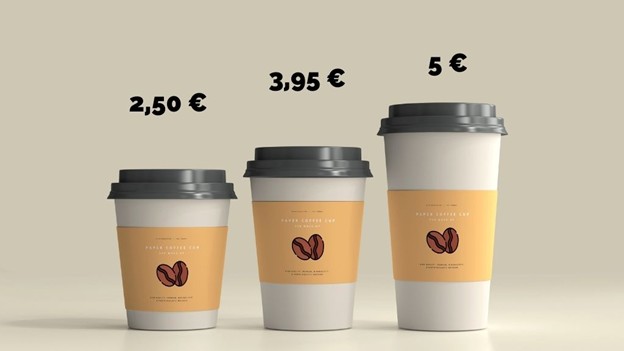
Beyond Fast Food: Where the Decoy Effect Appears
The decoy effect is widely used in many industries. Subscription services introduce a mid-tier plan that makes the premium plan look more attractive. Electronics retailers add a slightly inferior model to push buyers toward a higher-margin version. Airlines structure seat upgrades so that business class feels reasonably priced compared to an intentionally expensive alternative.
Even non-commercial decisions can be influenced. Donation options, public-policy choices, and even career decisions can be framed in ways that introduce decoys, steering people toward preferred outcomes.
Why the Decoy Effect Is So Powerful
The effectiveness of the decoy effect lies in how the human brain simplifies complex decisions. When faced with multiple attributes, such as price, quality, and quantity, people seek shortcuts. A clearly inferior option provides a reference point that reduces uncertainty.
Rather than asking, “What do I really need?”, the brain asks, “Which option looks better next to this one?” The answer often benefits the designer of the choice, not the chooser.
Why Knowing About the Decoy Effect Matters
Understanding the decoy effect gives people more control over their decisions. When an option seems oddly unattractive or unnecessary, it is often there to influence how another option appears. Recognizing this pattern allows individuals to step back and evaluate choices based on needs rather than comparisons.
The broader lesson is simple but powerful: decisions are shaped not only by what is offered but also by how options are presented. The decoy effect is one of the clearest reminders that context quietly drives behavior.