





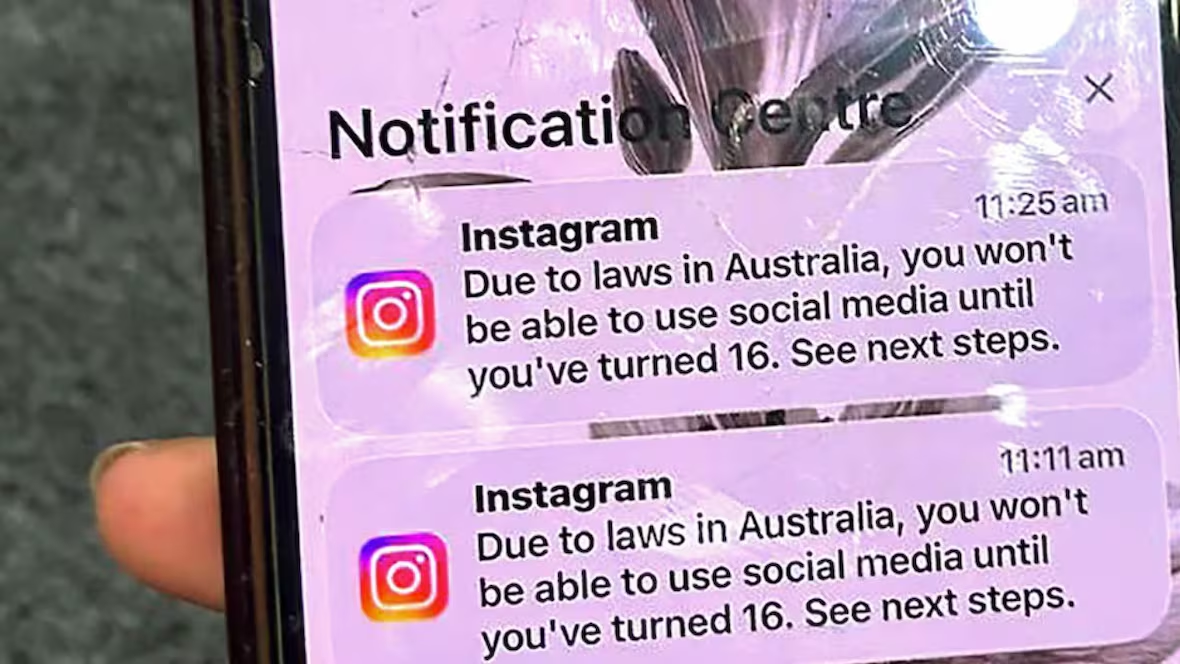
Australia has become the first country in the world to enact a sweeping ban on social media use for anyone under the age of 16. As of December 2025, major platforms, including TikTok, Snapchat, Instagram, YouTube, X, Facebook, Twitch, Reddit, Threads, and Kick, are legally required to block under-16s from creating or maintaining accounts. Platforms that fail to enforce the law face high legal fines.
This shift marks a dramatic departure from the global norm. Where most countries rely on parental controls and voluntary platform policies, Australia has chosen a firm legislative route, arguing that the risks of early social media exposure outweigh the benefits. The policy’s core message is clear: digital adulthood should begin later, not earlier.
Why Australia Is Doing This
The ban emerges from growing concern about the impact of social media on mental health, bullying, body image pressure and exposure to harmful content. Australian policymakers, backed by their eSafety Commissioner, argue that children under 16 are not developmentally prepared for the psychological and social risks of social platforms, especially when algorithms can expose them to inappropriate material within minutes.
The government’s position is built on a simple logic: if society restricts underage access to alcohol, gambling, and driving due to the potential for harm, then social media, with its unparalleled reach and influence, deserves similar scrutiny. Early research has also linked excessive screen time with increased anxiety, loneliness, and sleep disruption in young adolescents, adding urgency to the debate.
How the Ban Works
Under the new regulation, social media companies must take “reasonable steps” to verify a user’s age and remove accounts belonging to anyone under 16. They can use a combination of self-declaration, government-approved age-verification technologies, AI-based age estimation, and third-party verification systems.
The legislation does not penalize minors or their parents. All accountability rests with platforms, which must demonstrate active enforcement or face significant financial penalties. Although the law sets a high standard, regulators acknowledge that full compliance will take time. Some platforms were still allowing under-16 sign-ups after the ban went into effect, and the eSafety Commissioner stated that these accounts will be “removed over time” as systems improve.
Immediate Reactions and Early Challenges
The ban has sparked intense discussion across Australia and internationally. Supporters praise it as a bold, necessary step toward protecting young minds from predatory algorithms, misinformation, and online harassment. Teachers, psychologists, and parent groups have also expressed cautious optimism, suggesting that scaled-back online exposure could improve attention spans, sleep quality, and mental resilience.
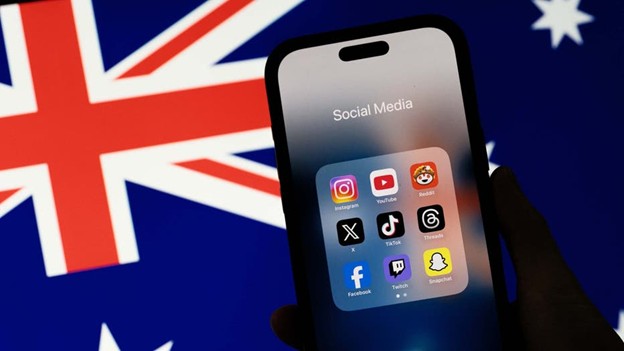
However, critics warn that enforcement may be far more complex than policymakers anticipate. Young people often adopt new technologies faster than regulators can respond, and many already know workaround methods such as using VPNs, alternative email addresses, or older siblings’ identities. Experts also note that banning mainstream platforms may inadvertently push children toward less regulated, less safe online spaces.
There is also the question of social life. For many teenagers, messaging, gaming, and content-sharing platforms are central to friendship networks. Some worry that exclusion from widely used platforms could lead to social isolation, especially for children in remote areas or those who rely on online communities for support.
What This Means for the Tech Industry
This ban has placed global technology companies under unprecedented pressure. For years, platforms have resisted mandatory age verification, arguing that it threatens privacy, increases costs, and is technically challenging. Australia’s legislation now forces them to either comply or face substantial fines and reputational risk.
The move could trigger ripple effects worldwide. Policymakers in Europe, North America, and parts of Asia have been exploring tighter regulations on youth social media use, and Australia’s decision may embolden others to move from soft guidelines to strict legal requirements. Tech platforms may need to redesign sign-up flows, introduce reliable age-verification tools, and adjust their content-recommendation systems for younger audiences.
A Test Case for the Future of Online Childhood
Australia’s under-16 ban is an experiment with global implications. If the law successfully reduces online harm without driving children to unsafe alternative platforms, other countries may follow. If it struggles with enforcement or produces unintended consequences, it may prompt a rethink of how societies balance protection with digital freedom.
What is certain is that the debate around youth and social media is entering a new phase. For the first time, a major country has drawn a clear line: social media, like other powerful tools, should come with an age threshold. Whether this becomes a model for the world or a cautionary tale will depend on what happens in Australia over the next few years.

