





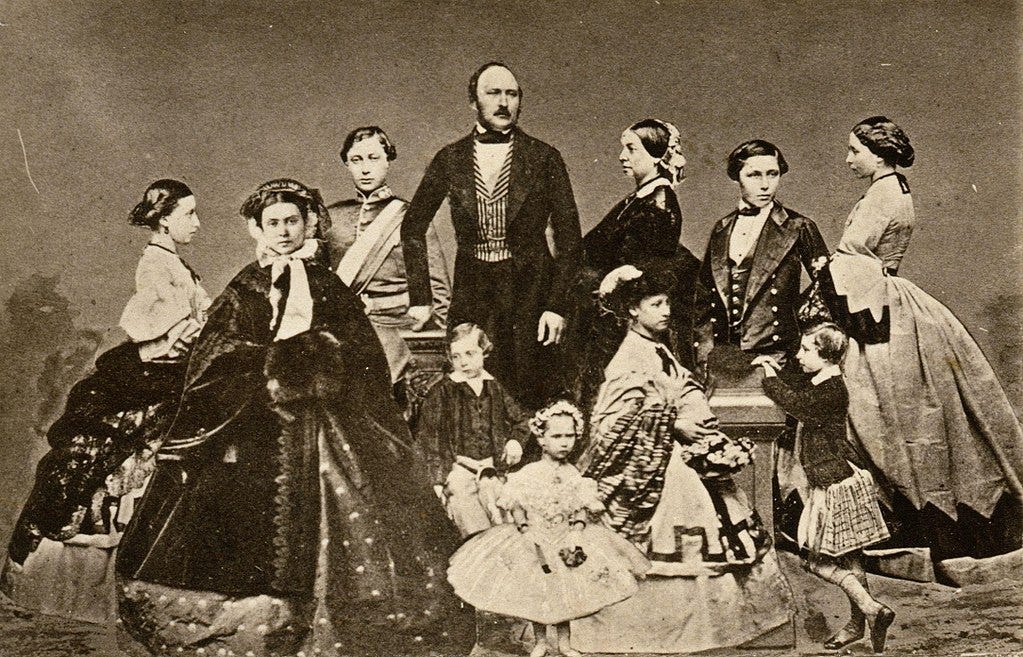
The Victorian era, stretching from 1837 to 1901, is often remembered for industrial progress, rigid etiquette, and an obsession with moral order. But beneath the surface of respectability, Victorians lived lives full of quirks, contradictions, and habits that feel astonishingly unusual to us today. Some of these behaviors may seem eccentric, others strangely modern, but all reveal how dynamic and complex nineteenth-century society really was.
Below are some of the most interesting insights into Victorian life.
1. Cemeteries Were Their Favorite Picnic Spots
It may sound macabre today, but Victorian families genuinely enjoyed spending sunny afternoons in cemeteries. This trend was especially common in London and large industrial cities, where there was overcrowding limited access to green spaces.
When the “garden cemetery” movement began in the 1830s and 1840s, new cemeteries were designed like peaceful parks with walking paths, ponds, benches, and landscaped gardens. Families visited them not only to mourn but also to stroll, read, relax, and even picnic. Cemeteries such as Highgate, Brompton, and Kensal Green became popular weekend destinations.
For the Victorians, cemeteries were not frightening, but they were beautiful, civic spaces filled with art, nature, and quiet.
2. True Crime Was a National Obsession
Victorians did not visit morgues as casual leisure in the sensational way some myths claim, but they were intensely fascinated by real crime, investigation, and forensic breakthroughs.
London’s public morgue at the Royal London Hospital (and earlier at Montfaucon in Paris, which inspired it) did allow visitors, and crowds sometimes came to identify bodies or witness forensic examinations. Newspapers printed graphic trial reports, murder illustrations, and serialized detective stories. The public followed cases like the Road Hill Murder (1860), the Palmer poisoning (1856), and later the Jack the Ripper killings with a level of attention that feels similar to today’s true-crime culture.
So while Victorians were not “touring morgues for entertainment,” they were unmistakably drawn to crime scenes, investigations, and the darker corners of society.
3. They Rejected the Regency Era’s Reputation
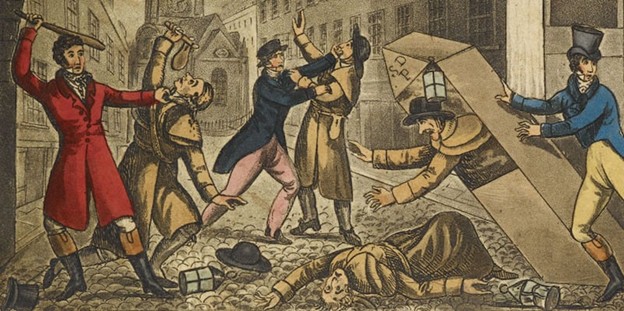
The Victorians saw themselves as morally superior to the generation that came before them. The Regency period (1811–1820) was associated with gambling, drinking, dueling, flamboyant fashion, and the extravagant lifestyle of the Prince Regent.
Victorians embraced the opposite image: restraint, industry, modesty, and self-discipline. Many writers, politicians, and moralists deliberately contrasted the “excesses” of the Regency with the “respectability” of their own era. Their distaste shaped architecture, fashion, literature, and social norms, giving the Victorian age its famously sober and structured reputation.
4. They Rarely Smiled in Photographs
Many people assume Victorians are simply gloomy or unfriendly, but there are practical and cultural reasons behind their serious expressions.
- Early cameras had long exposure times, often several seconds. Holding a smile perfectly still was difficult.
- Portrait photography borrowed from painted portrait traditions, where dignified, neutral expressions were considered appropriate.
- A wide smile was sometimes associated with drunkenness, madness, or lack of self-control, especially among the middle and upper classes, who valued restraint.
So Victorians did smile in real life, just not in formal photographs, where seriousness conveyed respectability.
5. They Used Flowers to Send Secret Messages
One of the most charming Victorian trends was floriography, the art of sending coded messages through flowers. Each flower (and sometimes its color or arrangement) carried a symbolic meaning.
For example:
- A red rose expressed deep romantic love
- A yellow carnation signified disappointment or rejection
- Lavender suggested devotion
- A daisy represented innocence
Victorians used these arrangements to flirt discreetly, express affection, reject suitors politely, or communicate feelings they could not speak aloud in strict social settings. Flower dictionaries were published to guide readers through the meaning of each bloom.
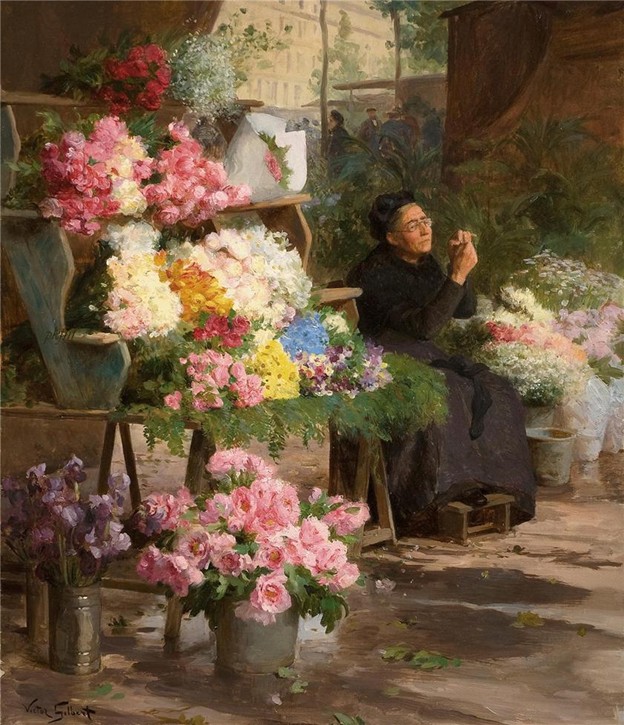
Floriography was particularly popular between the 1840s and 1880s, at the height of Victorian social etiquette.
Why the Victorians Still Fascinate Us Today
Part of the enduring appeal of the Victorian era is its duality. It was a time of innovation and tradition, strict rules and private rebellions, moral certainty and hidden curiosities. The Victorians were deeply modern in some ways; obsessed with technology, information, public health, and urban life, but also shaped by rituals and beliefs that now seem distant.
Understanding their habits helps us see the nineteenth century not as a stiff, dusty period, but as a vibrant culture full of contradictions, creativity, and human complexity.

